Understanding Equipment Hailing
What is Equipment Hailing?
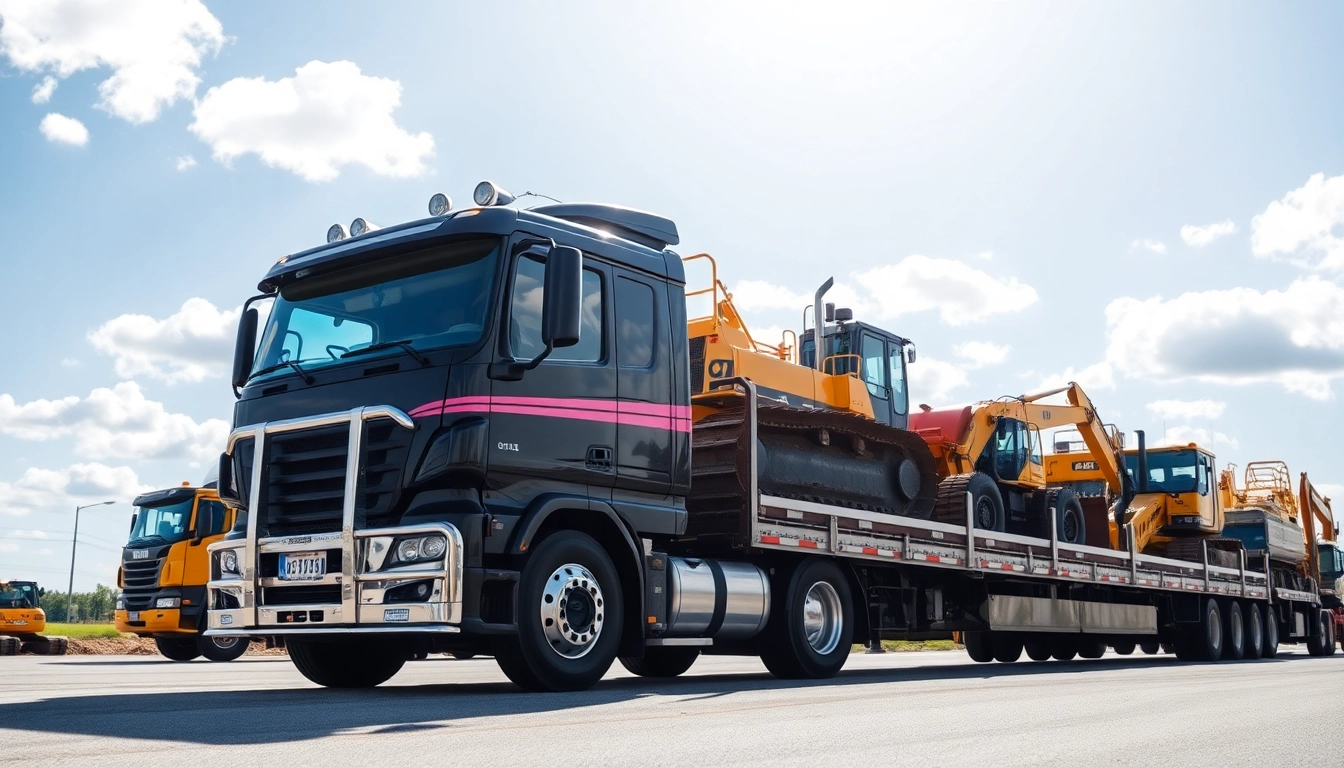
Equipment hailing refers to the process of coordinating and facilitating the transport of heavy machinery and equipment from one location to another. This includes not only the physical hauling but also the logistical planning that ensures that all necessary regulations and safety protocols are followed. It's a crucial service that supports various industries, particularly construction, agriculture, and mining, where transporting large and often oversized equipment requires careful management.
Importance of Equipment Hailing in Construction
In the construction industry, equipment hailing plays a pivotal role in project efficiency. Timely and safe transportation of materials can influence project timelines and budgets significantly. For instance, delays in transporting crucial machinery can push project timelines back, leading to increased costs and possible penalties. Equipment hailing services also mitigate risks associated with transportation, ensuring that equipment arrives in good condition and on schedule. equipment hailing ensures that contractors have access to the machinery they need when they need it, which is essential for maintaining productivity on-site.
Types of Equipment Often Hauled
Various types of equipment are commonly transported using hailing services. These include:
- Excavators
- Bulldozers
- Tractors
- Forklifts
- Crane trucks
- Construction materials
Each of these categories poses unique challenges regarding transport due to their size, weight, and the need for specialized handling equipment. Understanding these aspects is crucial for selecting the right hailing service.
Choosing the Right Equipment Hailing Service
Factors to Consider When Selecting a Service
When looking for an equipment hailing service, several critical factors should be taken into account:
- Experience and Expertise: Choose a service provider with a proven track record in handling similar equipment.
- Insurance and Liability: Ensure the provider has sufficient insurance coverage in case of accidental damage during transport.
- Equipment and Fleet: Verify that they possess the necessary vehicles and tools to handle your equipment safely.
- Regulatory Compliance: Confirm their knowledge of transportation regulations, especially regarding oversized loads.
- Customer Service: Consider the quality of their customer support and their responsiveness to inquiries.
Evaluating Service Providers
Evaluating potential equipment hailing service providers can also involve a few practical steps:
- Requesting quotes from multiple providers to compare pricing.
- Reading customer reviews and testimonials to gauge reliability and service quality.
- Asking for references from past clients to verify their experience.
Each of these steps can help identify providers who align with your needs, ensuring secure and efficient equipment transport.
Customer Testimonials and Reviews
Customer testimonials and reviews are invaluable when assessing an equipment hailing service. Look for comments regarding:
- Promptness and punctuality in pickups and deliveries
- Condition of equipment upon arrival
- Professionalism of the service personnel
- Overall customer satisfaction
Utilizing these insights can offer a clearer picture of what to expect and assists in making an informed decision.
Cost Factors in Equipment Hailing
Average Costs of Equipment Hailing
The costs associated with equipment hailing can vary widely based on several factors, but here are some average price ranges:
For short local hauls, costs usually range between $150 and $500. However, if you're planning for cross-country transport, you might be looking at expenses exceeding $2,000.
Factors Influencing Pricing
Several elements will influence the final pricing of equipment hailing, including:
- Distance: Longer hauls typically incur higher costs.
- Weight and Size: Heavier and larger equipment usually attracts higher fees.
- Loading and Unloading Complexity: More complex logistics can increase expenses.
- Season and Demand: Equipment hailing during peak seasons may see inflated pricing.
How to Get Accurate Quotes
To obtain accurate quotes for equipment hailing, it's recommended to:
- Provide detailed specifications of your equipment to the service provider.
- Share any unique challenges related to pickup and delivery locations.
- Request itemized quotes to understand where costs are allocated.
These steps can help ensure you receive a fair and realistic quote for your equipment transport needs.
Best Practices for Equipment Hailing
Preparing Equipment for Transport
Before equipment is transported, preparation is crucial. Here are some best practices:
- Ensure the equipment is clean and free of debris to prevent damage during transport.
- Secure any loose parts or accessories to avoid loss or damage in transit.
- Follow manufacturer guidelines for preparing each piece of equipment for transport.
Ensuring Safe Loading and Unloading
Safe loading and unloading practices help minimize the risk of accidents. To ensure safety, always:
- Use proper equipment such as ramps and cranes to handle heavy machinery.
- Instruct personnel on safe handling procedures.
- Conduct inspections before loading, during transit, and after unloading.
Compliance with Transportation Regulations
Staying compliant with local and federal transportation regulations is essential. Some key regulations include:
- Weight restrictions for roads and vehicles
- Permits for oversized loads
- Safety standards for load securement
Awareness and adherence to these regulations not only prevent fines but also assure safe transport.
Future Trends in Equipment Hailing
Technological Advances in Hailing Services
As technology evolves, so does the equipment hailing industry. Innovations such as GPS tracking, load optimization software, and electronic logging devices are transforming how service providers plan and execute transport.
These technologies enable real-time tracking of equipment, optimize routes for efficiency, and enhance communication between service providers and clients, significantly improving the overall transport experience.
Sustainability in Equipment Hailing
There is a growing trend toward sustainability in the logistics sector, including equipment hailing. This includes initiatives such as using fuel-efficient vehicles, optimizing routes to reduce emissions, and implementing eco-friendly packing materials.
These sustainable practices not only help reduce the carbon footprint of transport logistics but can also attract environmentally conscious clients.
The Growing Demand for Hailing Services
With the expansion of construction and agricultural sectors, the demand for equipment hailing services continues to rise. This growth is also propelled by the increasing complexity of projects which require specialized equipment, further underscoring the need for efficient and effective transport solutions.
Frequently Asked Questions (FAQs)
1. How much does equipment hailing cost?
Costs for equipment hailing vary from $150 to over $2,000 depending on distance, equipment size, and complexity of loading and unloading.
2. What types of equipment can be hailed?
Commonly hailed equipment includes excavators, bulldozers, tractors, cranes, and construction materials, each requiring specialized handling.
3. How can I ensure equipment is safe during transport?
Secure loose parts, follow manufacturer guidelines for preparation, and use proper loading/unloading equipment to prevent damage and accidents.
4. What regulations should I be aware of?
Key regulations include weight restrictions, permits for oversized loads, and safety standards for properly securing loads during transport.
5. How can technology improve equipment hailing?
Technological innovations such as GPS tracking and load optimization software enhance efficiency and communication, improving the overall transport experience.
Contact Information
Call Us: 4062607988Address: 3906 MT-40, Columbia Falls, MT 59912