Understanding the Role of Water Treatment System Manufacturers
In an era where clean water is becoming increasingly scarce, the role of a Water Treatment System Manufacturer has never been more critical. Manufacturers like QILEE play an essential role in developing integrated water treatment systems that address modern challenges faced by industries and municipalities. With technological advancements and rising water quality standards, these manufacturers are on the frontline of innovation, creating solutions that ensure safe, sustainable, and efficient water management.
What is a Water Treatment System Manufacturer?
A water treatment system manufacturer specializes in designing, engineering, and installing systems that purify and manage water for various applications. This can include everything from municipal drinking water systems to complex industrial wastewater treatment plants. These manufacturers incorporate cutting-edge technologies to tackle specific water quality issues, ensuring compliance with regulatory standards, and developing systems that are both cost-effective and eco-friendly.
The Importance of Water Treatment Systems in Modern Society
Water treatment systems form the backbone of modern society by ensuring that both drinking water and wastewater are safely handled. As urbanization increases and water sources become polluted, the demand for reliable water treatment solutions is surging. A well-designed system not only protects public health but also supports economic growth by enabling industries to operate sustainably. With climate change posing additional challenges to water supply, efficient and adaptive technologies are needed more than ever.
Key Players in the Industry Landscape
Leading the water treatment manufacturing sector are companies like QILEE, Veolia, and SUEZ. Each of these organizations brings unique strengths to the table, from advanced filtration technologies to custom-designed solutions for specific industries. Their collective innovations help shape the future of water treatment, enhancing both the efficiency and effectiveness of water management practices globally.
Core Applications of Containerized Water Treatment Systems
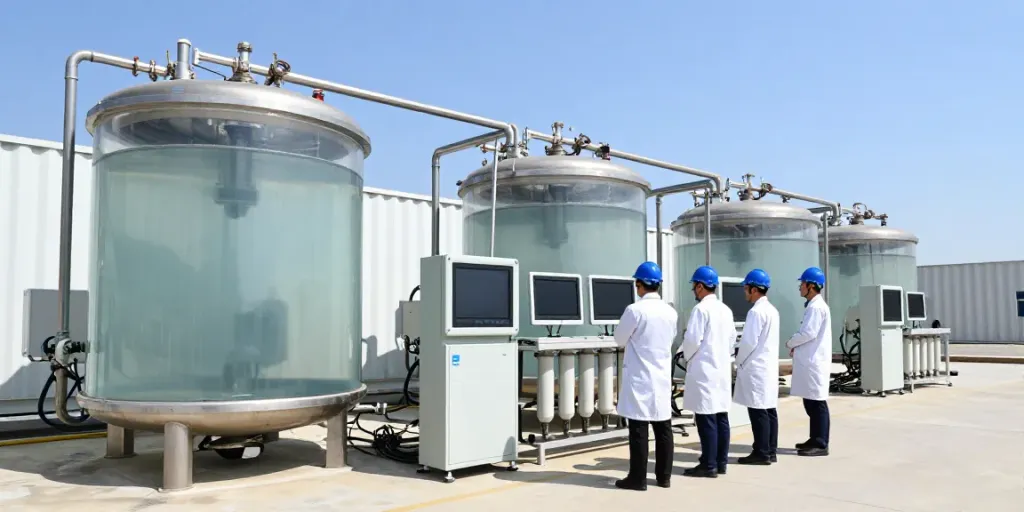
Containerized water treatment systems have gained immense popularity due to their versatility, rapid deployment capabilities, and efficiency. These systems are not only suitable for permanent installations but also for temporary or emergency situations where immediate action is required.
Pure and Drinking Water Treatment Solutions
The production of pure and drinking water is one of the most critical applications for water treatment system manufacturers. In regions where natural water sources are contaminated, advanced technologies such as reverse osmosis and ultrafiltration are employed to produce potable water. Containerized systems make it easier to transport these technologies to remote or disaster-stricken areas, ensuring communities can access safe drinking water quickly.
Industrial Effluent Treatment Technologies
With increasing environmental regulations, industries must effectively manage and treat effluent before it can be discharged into the environment. Containerized industrial effluent treatment systems are specifically designed to handle high-difficulty wastewater, featuring specialized technologies like biological treatment, chemical precipitation, and advanced oxidation processes. These systems not only help industries comply with legal obligations but also allow for the recycling of water, reducing overall consumption and costs.
Municipal Sewage Treatment Strategies
Municipal sewage treatment is vital for maintaining public health and environmental integrity. Manufacturers like QILEE provide comprehensive solutions that integrate various treatment processes, including primary, secondary, and tertiary treatments. These systems can be modular for easier upgrades and can be scaled to meet the specific needs of a municipality, ensuring that wastewater is treated effectively before returning to the environment.
Innovations Driving the Future of Water Treatment
The water treatment industry is undergoing rapid transformation through technological advancements and innovative practices. Manufacturers are leveraging data, artificial intelligence, and improved materials to enhance system performance and reliability.
Advanced Technologies in Water Filtration
Modern water filtration technologies are evolving to become more efficient and effective. Innovations like membrane filtration, ion exchange, and advanced oxidation processes are being combined to create hybrid systems that tackle a wider array of contaminants. These advanced filtration methods not only improve water quality but also reduce energy consumption and operational costs.
Smart Solutions for Water Quality Monitoring
The integration of smart technologies in water treatment is revolutionizing how systems operate. Sensors and IoT devices allow for real-time monitoring of water quality, enabling immediate reactions to any deviations from accepted parameters. These smart solutions deliver enhanced operational efficiency, reduced downtime, and more sustainable water management practices.
Sustainable Practices in Water Treatment Manufacturing
As environmental consciousness grows, water treatment manufacturers are shifting towards more sustainable practices. This includes utilizing eco-friendly materials, implementing energy-efficient processes, and offering systems that facilitate water reuse and recycling. By focusing on sustainability, manufacturers can contribute to water conservation efforts while also meeting the increasing regulatory demands for environmental protection.
Challenges Faced by Water Treatment System Manufacturers
While the prospects in the water treatment industry are promising, manufacturers face various challenges that could hinder progress.
Common Misconceptions about Water Treatment Technologies
There are several misconceptions about water treatment technologies, including beliefs that they are overly complex or prohibitively expensive. In reality, advancements have made these technologies more accessible and cost-effective. Educating stakeholders and end-users about the benefits and capabilities of modern water treatment solutions is critical for overcoming these misconceptions.
Regulatory and Compliance Obstacles
Water treatment system manufacturers must navigate a maze of regulations that vary by region and country. Compliance with these regulations can be challenging, particularly as standards continue to evolve. Manufacturers need to stay updated on regulatory changes and adapt their technologies accordingly to ensure compliance and enhance their marketability.
Market Competition and Innovation Pressure
The water treatment industry is highly competitive, with numerous players vying for market share. This competition drives innovation but can also lead to market saturation. Manufacturers must continuously innovate and differentiate their products to remain relevant, which requires investment in R&D and a keen understanding of market trends.
Future Trends in Water Treatment Systems for 2026 and Beyond
The landscape of water treatment systems is expected to see significant changes over the coming years, driven by technological advancements and shifting societal needs.
Emerging Technologies in Water Treatment
Future water treatment solutions will likely incorporate technologies such as artificial intelligence and machine learning for enhanced decision-making and predictive maintenance. These technologies can optimize treatment processes, reduce costs, and ensure higher standards of water quality. Emerging methods like solar-powered desalination and nanotechnology are also poised to reshape the industry.
The Shift Towards Eco-Friendly Solutions
As global awareness of environmental issues increases, there will be a heightened demand for eco-friendly water treatment solutions. Manufacturers will need to focus on creating systems that consume less energy, utilize renewable resources, and promote water reuse. The shift toward sustainability will not only meet regulatory requirements but also appeal to environmentally conscious consumers and businesses.
Predictions for Industry Growth and Developments
By 2026, the water treatment market is expected to grow as new technologies and solutions emerge. The global investment in water infrastructure will continue to rise, driven by the need for upgraded systems in aging urban environments and newly industrializing regions. Manufacturers that embrace innovation and sustainability will likely experience significant growth.
What are the Best Water Treatment Systems for Different Needs?
Choosing the best water treatment system depends on the specific needs and conditions of the client. Factors such as water source, intended use, and regulatory requirements should be considered. Manufacturers must offer customizable solutions that cater to these diverse needs, ensuring optimal performance and compliance.
How to Choose the Right Water Treatment Manufacturer?
Selecting a water treatment system manufacturer involves assessing various factors, including the company’s track record, technological capabilities, and customer service. Look for manufacturers that provide comprehensive support throughout the lifecycle of the system, from design and installation to maintenance and upgrades.
What Innovations Should We Expect in Water Treatment?
In the coming years, innovations such as smart sensors, decentralized treatment options, and advanced recovery systems for water reuse will become more prevalent. These advancements will enhance system efficiency and provide more reliable solutions for both municipal and industrial applications.
How to Assess Water Treatment System Efficiency?
Efficiency in water treatment systems can be evaluated through metrics such as energy consumption, recovery rates, and compliance with water quality standards. Regular performance evaluations and maintenance checks are essential for ensuring systems operate efficiently and effectively.
What are the Top Challenges for Water Treatment Companies?
Water treatment companies face challenges such as evolving regulations, technological advancements, and public perception. Addressing these challenges requires proactive strategies, including ongoing education, innovation, and transparent communication with stakeholders.
How to Ensure Compliance in Water Treatment Solutions?
Compliance in water treatment can be ensured by staying informed about regulatory changes, conducting regular audits, and incorporating best practices in system design and operation. Collaborating with industry experts and regulatory bodies can also help navigate complex compliance landscapes.