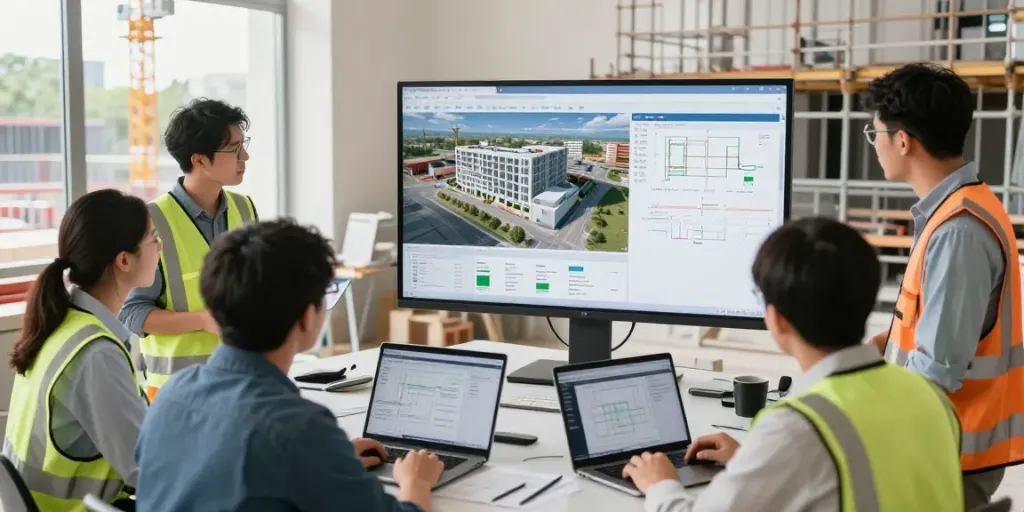
Understanding BIM Services: A Comprehensive Overview
Building Information Modeling (BIM) services have revolutionized the construction industry, enabling professionals to plan, design, and manage buildings more efficiently. With the complexity of modern construction projects, the role of BIM services has become critical in ensuring accuracy, collaboration, and sustainability. As we move toward 2026, the impact of BIM on architecture, engineering, and construction (AEC) continues to grow, making it essential for stakeholders to understand its functionalities and advantages. When exploring options, BIM services provide comprehensive insights into how to leverage these tools effectively.
What are BIM Services?
BIM services encompass a series of processes that utilize digital technologies to create, manage, and analyze a virtual representation of a building's physical and functional characteristics. These services include 3D modeling, clash detection, project management, and lifecycle management. The primary goal of BIM services is to enhance collaboration among architects, engineers, and contractors, leading to improved project outcomes. Key components of BIM include:
- 3D Modeling: Creating detailed digital representations of structures.
- Clash Detection: Identifying conflicts between various systems, such as electrical and plumbing.
- Documentation: Generating construction documents directly from BIM models.
- Analysis: Evaluating energy efficiency and sustainability factors.
The Importance of BIM in the Construction Industry
BIM is not just a fashionable trend; it has become a necessity in the modern construction landscape. The importance of BIM services can be understood through various facets:
- Enhanced Collaboration: BIM facilitates real-time collaboration among all stakeholders, reducing delays and miscommunication.
- Cost Efficiency: By identifying issues early through clash detection, projects can avoid costly reworks and delays.
- Improved Planning: BIM allows for better spatial planning, which can lead to optimized resource allocation and scheduling.
- Sustainability: Advanced BIM tools can analyze building performance to ensure compliance with green building standards.
Key Technologies Driving BIM Services
The evolution of BIM services has been heavily influenced by advancements in technology. Some key technologies that drive BIM include:
- Cloud Computing: Enables the sharing and storage of large BIM files across teams regardless of location.
- Artificial Intelligence: AI applications in BIM services can automate repetitive tasks and improve design accuracy.
- Virtual Reality (VR) and Augmented Reality (AR): These technologies provide immersive experiences for stakeholders, allowing them to visualize projects in real time.
- Integrated Project Delivery (IPD) systems: Facilitate collaboration between all members of the project team for better outcomes.
Implementing BIM Services: Essential Strategies
Choosing the Right BIM Software for Your Projects
With numerous BIM software solutions available in the market, selecting the right tool can significantly impact your project's success. Factors to consider include:
- Usability: A user-friendly interface can reduce the learning curve for team members.
- Compatibility: Ensure that the software integrates well with other tools in use, such as project management software.
- Support and Training: Look for vendors that offer robust customer support and training resources.
- Cost: Assess whether the software provides good value for its features and capabilities.
Best Practices for Effective BIM Collaboration
Effective collaboration is crucial for the success of BIM implementation. Here are some best practices:
- Clear Communication: Establish clear lines of communication among team members to ensure everyone is on the same page.
- Regular Updates: Use collaborative tools that facilitate real-time updates to model changes and project status.
- Defined Roles and Responsibilities: Clearly define the roles of each team member to avoid overlaps and confusion.
Overcoming Common Challenges in BIM Implementation
While BIM offers numerous benefits, challenges can arise during its implementation. Some common challenges include:
- Resistance to Change: Addressing resistance from team members accustomed to traditional practices is vital.
- Data Management: Managing large volumes of data can be overwhelming; establishing proper protocols is essential.
- Cost Constraints: Finding budget-friendly solutions for BIM implementation can be a hurdle, particularly for smaller firms.
Maximizing Efficiency with BIM Services
Streamlining Workflows through Automation
Automation plays a significant role in optimizing BIM workflows. By leveraging automated tools for repetitive tasks, teams can focus on more strategic activities. For example:
- Automated Clash Detection: Reduces the time spent identifying conflicts between systems.
- Batch Processing: Allows multiple tasks to be executed simultaneously, enhancing efficiency.
Integrating BIM with Project Management Tools
To maximize the effectiveness of BIM, it is essential to integrate it with project management tools. This integration enables:
- Centralized Information: All project data can be accessed from a single source, improving accuracy.
- Enhanced Reporting: Project managers can generate reports based on real-time data from both BIM and project management software.
Assessing Performance Metrics for BIM Projects
To ensure ongoing success with BIM, it is crucial to assess performance metrics regularly. Key metrics include:
- Project Timeline: Track whether projects are being completed on schedule.
- Cost Savings: Measure the financial impact of using BIM against traditional methods.
- Quality of Deliverables: Assess the accuracy and quality of the final project output.
Real-World Applications of BIM Services
Case Studies: Successful BIM Integration
Examining real-world applications can offer valuable insights into the practical benefits of BIM services. Here are a few examples:
- The Edge, Amsterdam: Considered one of the most sustainable buildings globally, The Edge utilized BIM for efficient design and construction processes.
- The Sydney Opera House: Implemented BIM to address ongoing maintenance and renovation challenges, showcasing its lifecycle benefits.
Impact of BIM on Project Outcomes
Research indicates that projects utilizing BIM services consistently see improvements in timelines, cost management, and overall client satisfaction. Specifically, companies report:
- 30% reduction in project delivery times.
- 15-20% decrease in overall project costs.
How BIM is Shaping Future Trends in Construction
As we look toward 2026, several emerging trends are likely to shape the future of BIM services:
- Increased Use of AI: Artificial intelligence will enhance decision-making processes within BIM, leading to improved designs and efficiency.
- Greater Focus on Sustainability: BIM tools will increasingly integrate sustainability assessments, aligning with global green initiatives.
FAQs about BIM Services
What industries benefit most from BIM services?
The construction, architecture, and engineering industries benefit significantly from BIM services, as they require high levels of collaboration and precision.
How does BIM improve collaboration among teams?
BIM improves collaboration by providing a single, centralized model that all stakeholders can access and update in real time, ensuring everyone is working with the most current data.
What is the cost associated with implementing BIM services?
The cost of implementing BIM services can vary widely based on software, training, and hardware requirements, but businesses often see a return on investment through increased efficiency and reduced errors.
What are the challenges of upgrading to advanced BIM software?
Challenges involved in upgrading to advanced BIM software can include training staff on new features, costs associated with new software, and integration with existing systems.
How is BIM evolving with new technology in 2026?
The evolution of BIM will likely include greater automation, enhanced integration with IoT devices, and a stronger focus on sustainable practices, making it essential for AEC professionals to stay updated with developments.