Understanding the Basics of Facial Age Estimation
The quest to determine how old someone looks has captivated humans for centuries. From folklore that hinted at the wisdom of age to modern-day technology that can statistically estimate age based on facial features, our desire to gauge age is intertwined with self-perception and societal standards. In this digital age, advancements in artificial intelligence (AI) have transformed traditional notions of age estimation into actionable insights delivered through various online platforms and apps. Curious individuals can now upload their photographs to platforms that use sophisticated algorithms to predict their biological age with impressive accuracy. For those eager to explore their age profile, how old do i look offers a user-friendly interface to see how they may appear in the eyes of technology.
What Is the "How Old Do I Look" Concept?
The “how old do I look” concept revolves around gauging people’s perceived age based on their facial characteristics. This perception can significantly differ from chronological age, often influenced by lifestyle choices, genetics, and skincare. Age estimation tools have emerged as a fun and intriguing way to engage with technology, providing users with a glimpse into how they might be seen by others. These tools leverage the science of facial recognition and age-related markers to deliver insights, which can be both entertaining and informative for individuals curious about their appearance.
How Technology Powers Age Estimation
The technology behind age estimation has evolved dramatically in recent years. Most systems rely on deep learning algorithms and neural networks that have been trained on vast datasets of facial images spanning various ages and ethnicities. This training allows the algorithms to identify distinct aging markers, such as skin texture, wrinkle depth, and facial volume loss, and utilize these indicators to make an educated estimate of a person's age. As a result, the accuracy of these tools continues to improve, providing users with increasingly precise assessments of their perceived age.
The Role of User Interaction in Age Prediction
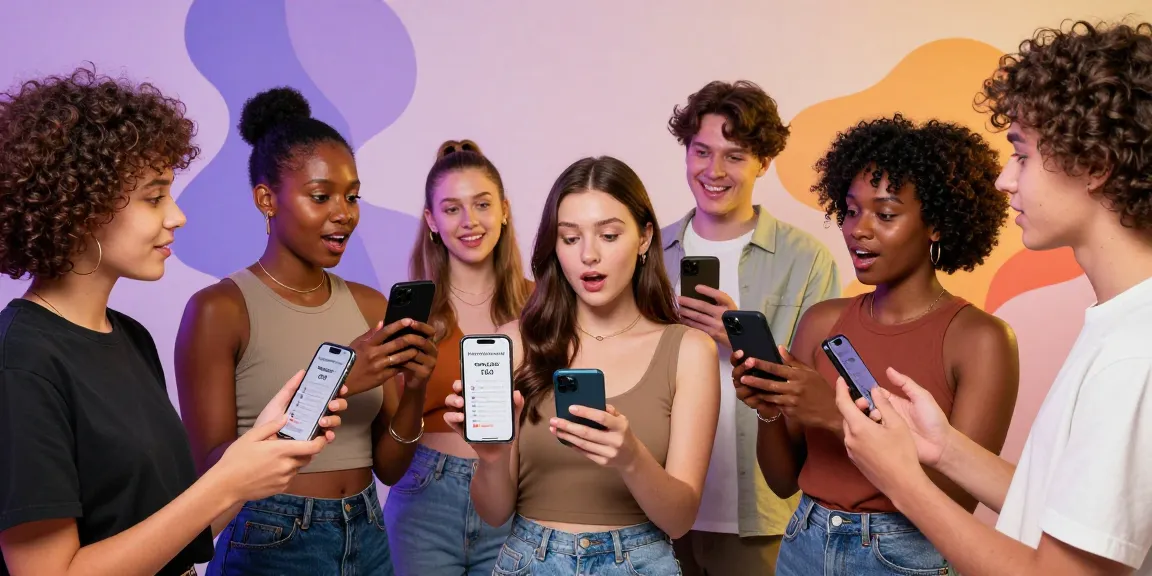
Engagement plays a vital role in the effectiveness of age estimation tools. The more users interact with the apps by uploading images and providing feedback, the better the algorithms become at predicting age. User interaction supplies the necessary data points that fuel machine learning, enhancing the models used in age estimation. Additionally, the social nature of sharing results on platforms such as Instagram or Facebook amplifies user engagement and encourages more people to try these tools, creating a feedback loop that benefits both users and developers.
How AI Analyzes Facial Features
The backbone of effective age estimation lies in the AI algorithms and models that analyze facial features. These algorithms utilize various techniques to dissect and interpret the complexities of human faces, resulting in a nuanced understanding of age-related changes. By employing a combination of facial recognition and age prediction technologies, AI can deliver real-time assessments, reinforcing the marriage of advanced computing and human curiosity.
Common Algorithms Used in Age Detection
Several algorithms commonly used in age detection include Convolutional Neural Networks (CNNs) and Support Vector Machines (SVMs). CNNs are particularly adept at recognizing patterns in images and have gained prominence in facial analysis due to their ability to learn automatically from data. They excel in identifying features such as wrinkles and skin elasticity, which are essential for estimating age. SVMs, on the other hand, are useful for categorizing images into age brackets and are often combined with other AI techniques to improve prediction accuracy.
The Importance of Database Diversity
A critical factor influencing the accuracy of age estimation tools is the diversity of the datasets used for training the algorithms. Datasets that represent a broad spectrum of ages, ethnicities, and facial characteristics yield more reliable predictions. Without diverse data, algorithms can develop biases that skew results, leading to inaccuracies in age estimation. Continuous efforts must be made to ensure these databases remain representative and comprehensive to uphold the reliability of the tools employed in this field.
Assessing Accuracy: How Reliable Are These Tools?
While innovations in AI have vastly improved the reliability of age prediction tools, questions about their accuracy persist. Studies have shown that while these tools can deliver reasonably precise results, they are not infallible. Factors such as lighting conditions, facial expressions, and image quality can influence outcomes, leading to variations in predicted age. Users should approach these tools with an understanding of their limitations and view the results as estimates rather than definitive assessments.
Exploring User Experience and Engagement
Understanding why users are drawn to age estimation apps can provide valuable insights for developers and marketers. Many users are motivated by curiosity, wanting to explore societal perceptions of aging and challenge their own self-image. The playful interaction associated with these tools can also serve as a social experiment, inviting discussions around age and beauty standards. This section delves into the factors that shape user experiences and how they interact with age estimation technology.
Why Do Users Want to Know How Old They Look?
Users are often curious about how their appearance aligns with societal expectations surrounding aging. This curiosity can stem from a desire for validation, self-reflection, or simply the novelty of seeing an algorithm's assessment of their face. For some, age estimation tools can be an engaging way to promote self-care or adjust beauty routines based on perceived age differences.
Impact of Social Media on Age Guessing Apps
The rise of social media has undeniably influenced the popularity of age guessing apps. Photo-sharing platforms like Instagram and TikTok encourage users to share their results, generating buzz around the technology. This virality not only fuels user adoption but also allows for a broader conversation about age, self-image, and beauty. As users share their results, they invite others to join the conversation and take their own tests, creating a chain reaction of engagement.
User Privacy Concerns in Age Prediction Software
As with many digital tools that require personal data, users often express concerns regarding privacy and data security. Age estimation apps, which require users to upload personal photographs, may lead to apprehension about how that data will be used or stored. Developers of these tools must prioritize user privacy by implementing robust security measures, transparently communicating data usage policies, and allowing users to have control over their information.
Real-World Applications of Age Estimation Technology
Beyond personal curiosity, the implications of age estimation technology extend into various industries. From marketing and advertising to healthcare, understanding how age is perceived can provide invaluable insights for businesses and healthcare practitioners alike.
Using Age Estimation in Marketing Campaigns
Marketers increasingly leverage age estimation technology to create targeted campaigns. By understanding the perceived age of consumers, businesses can tailor their messages to specific demographics, enhancing the effectiveness of their strategies. This precision in marketing not only improves engagement but also fosters a sense of relevance among consumers, leading to increased brand loyalty.
Healthcare Implications: Understanding Aging Through Faces
In the healthcare sector, age estimation tools can assist in better understanding patient demographics. By estimating the biological age of patients based on facial features, healthcare providers can gain additional insights into health risks and tailor preventative measures more effectively. This engagement with technology could pave the way for more personalized health assessments and predictive analytics in patient care.
Cultural Differences in Age Perception
The way age is perceived varies significantly across cultures. Some societies celebrate aging, viewing it as a sign of wisdom and experience, while others may have less favorable views. Age estimation technology can help shed light on these cultural differences, providing insights into how age affects social interactions and consumer behavior in various regions worldwide.
Future Trends in Facial Analysis Technology
With the pace of technological advancement, the landscape of facial analysis is poised for further evolution. As researchers and developers continue to innovate, additional trends and developments are likely to emerge in the coming years. Understanding these trends can help users and businesses alike anticipate changes in the age estimation technology landscape.
Emerging Technologies That Will Shape How We See Age
Artificial intelligence continues to evolve, with emerging technologies such as augmented reality (AR) and virtual reality (VR) likely to play a role in how we perceive age. For instance, AR could allow users to visualize their aging process in real-time, providing a more immersive experience with age estimation tools. Similarly, VR could foster environments where people can engage with aging simulations, enhancing understanding of the aging process.
Predictions for User Adoption in 2026
As technology becomes more integrated into everyday life, user adoption rates for age estimation tools are expected to rise. By 2026, advancements in AI, improved accessibility through mobile devices, and increased engagement through social media platforms may result in a broader acceptance of these tools. The integration of user-friendly interfaces and gamification elements can further enhance user experience and encourage ongoing interaction.
Ethical Considerations in AI Age Estimation
As age estimation technology becomes more prevalent, ethical considerations related to its use must be addressed. Potential issues surrounding privacy, bias in algorithmic predictions, and the psychological impacts of exposing users to age-related assessments are all important considerations for developers and regulators. A proactive approach to ethical considerations will be vital in ensuring that these technologies serve users responsibly and equitably.
What are the limitations of AI age estimators?
Despite their advancements, AI age estimators face limitations that can affect their reliability. Factors such as image quality, variations in lighting, and the facial expressions of users can skew results. Additionally, the algorithms may struggle with accurately assessing the age of individuals who feature atypical facial characteristics or who belong to underrepresented demographic groups.
How accurate are age estimation apps compared to human judgment?
While AI-based age estimation tools have reached impressive accuracy levels, human judgment still plays a significant role. Trained professionals can often discern nuances in aging that algorithms may overlook, particularly in complex cases. However, as technology continues to improve, the gap between AI estimations and human assessments may narrow.
What factors influence users' perceptions of age?
Users' perceptions of age can be influenced by a multitude of factors, including cultural backgrounds, societal standards of beauty, and personal experiences with aging. Emotional factors, such as self-esteem and personal health histories, can also impact how individuals view their age. Understanding these influences can help developers create more tailored age estimation tools that resonate with users on a deeper level.
Can age estimation technology improve health outcomes?
Indeed, age estimation technology has the potential to enhance health outcomes by facilitating early intervention strategies. By accurately assessing biological age, healthcare providers can better identify patients at risk for age-related diseases and tailor prevention efforts accordingly. This personalized approach could lead to improved health management and overall quality of life.
What advancements can we expect in the next few years?
As advancements in AI and facial recognition technology continue, we can expect more sophisticated algorithms that factor in a wider array of influences on aging, including lifestyle and environmental factors. The integration of emotional AI may allow for deeper analysis of how emotional states influence perceived age, leading to richer user experiences and engagement with age estimation tools.