Understanding HKEX Level 2 Market Data
In the dynamic world of finance, real-time data plays a critical role in decision-making processes for developers, traders, and institutions alike. As blockchain technology strengthens its foothold in various sectors, the need for precise and timely information has never been more paramount. The HKEX Level 2 market data offers insights that are crucial for executing strategies in today’s fast-paced trading environments. Understanding how to leverage this data effectively can significantly enhance a trader's abilities in quantitative trading and market analysis.
What is HKEX Level 2 Market Data?
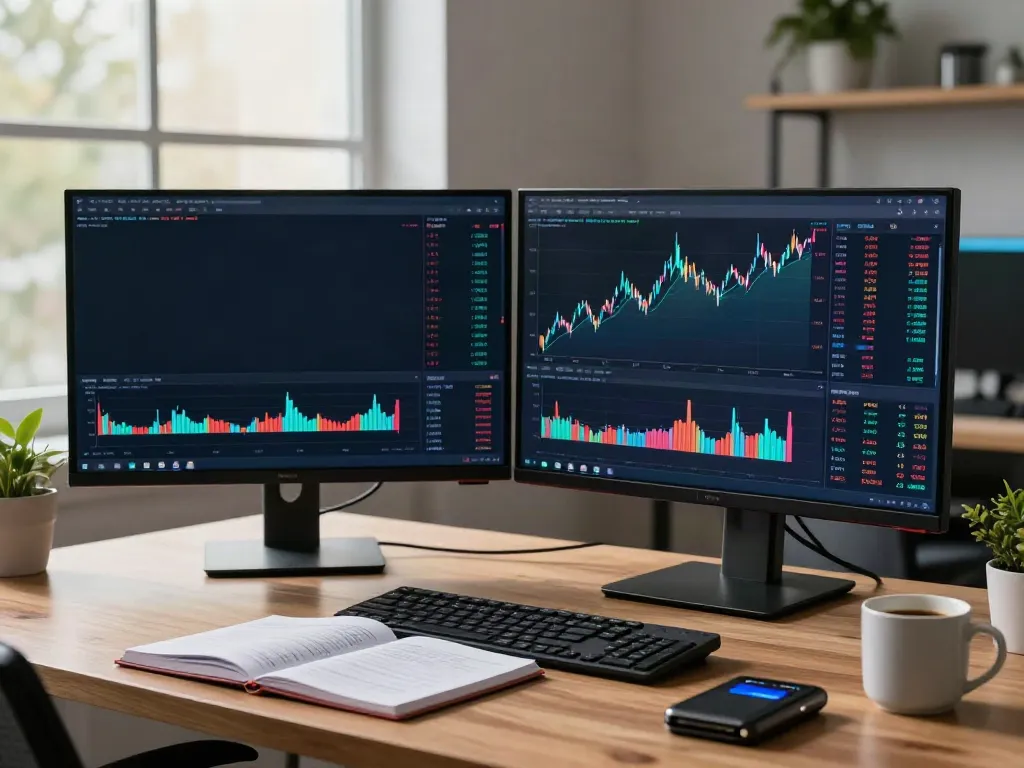
HKEX Level 2 market data provides a comprehensive view of the market depth and order book for securities traded on the Hong Kong Stock Exchange (HKEX). Unlike Level 1 data, which typically includes the best bid and ask prices and the last traded price, Level 2 data gives users real insight into the orders that are waiting to be executed. This includes multiple price levels, showing volume at each price point, which is essential for evaluating market sentiment and liquidity.
How It Differs from Level 1 Data
Level 1 data focuses on a limited set of information, primarily the most favorable buy and sell orders and the most recent transaction price. In contrast, Level 2 data expands upon this by displaying every pending order, allowing traders to see not only the leading prices but also the supply and demand at various levels—essentially painting a clearer picture of market dynamics. By analyzing Level 2 data, traders can discern potential market shifts and recognize patterns that may otherwise remain unseen.
Importance for Traders and Institutions
The significance of HKEX Level 2 market data cannot be overstated, especially in quantitative trading strategies where minute fluctuations can result in substantial gains or losses. Institutions including hedge funds and proprietary trading firms leverage this data for algorithmic trading, providing them with the ability to automate trades based on pre-defined criteria. Additionally, individual traders can make more informed decisions about entry and exit points, contributing to improved risk management and overall trading performance.
Leveraging Real-Time Data in Trading
Integrating real-time HKEX Level 2 market data into trading strategies is fundamental for capitalizing on short-term trading opportunities. By utilizing this data effectively, traders can make informed decisions, optimize their trading signals, and understand the market sentiment that drives price movements.
Integrating HKEX Level 2 Data in Your Strategy
To successfully incorporate HKEX Level 2 data into your trading strategy, you should first familiarize yourself with the available data feeds. Utilize APIs like iTick’s Stock API, which offers real-time data streams from multiple exchanges via WebSocket and RESTful API. These resources enable seamless integration into your trading algorithms, providing the necessary real-time insights that can drastically enhance execution efficiency.
Key Indicators and Metrics to Monitor
When utilizing HKEX Level 2 data, it is crucial to monitor specific indicators and metrics, such as:
- Order Book Depth: Understanding the depth of the order book can give insights into potential support and resistance levels.
- Volume at Price Levels: Analyzing the volume associated with various price points helps gauge market interest and liquidity.
- Price Movement Trends: Observing how prices react at significant order levels can signal possible reversals or continuations.
- Time and Sales Data: Knowing where and when trades are occurring can inform about market activity and sentiment.
Enhancing Decision-Making with Live Data Feeds
Real-time data feeds are instrumental in today’s trading. They allow traders to react swiftly to market changes, reducing the latency in executing trades, and improving overall strategy effectiveness. By employing algorithms that respond to changes in market data, traders can automate their decision-making processes to maximize profits efficiently.
Risk Management and Security Best Practices
As the adoption of advanced trading technologies increases, so does the importance of risk management and security best practices. Protecting your trading environment ensures that your strategies remain intact amidst the various threats that exist in the digital landscape.
Safeguarding Your Trading Environment
Implementing robust security protocols is essential for any trading setup. Use secure networks, employ virtual private networks (VPNs), and ensure that your devices are equipped with up-to-date anti-virus and anti-malware software. Establishing these safeguards can significantly reduce exposure to hacking activities, which are prevalent in the cryptocurrency and stock trading industries.
Using Hardware Wallets and Secure Protocols
For those trading cryptocurrencies or holding digital assets, using hardware wallets such as Ledger or Trezor is recommended. These devices store private keys offline, mitigating risks associated with hot wallets that are exposed to the internet. Additionally, utilizing secure protocols like HTTPS for trading platforms ensures that communications are encrypted and protected from interception.
Avoiding Common Trading Scams
Traders must remain vigilant against common scams such as phishing attacks, fake ICOs, and pump-and-dump schemes. Always double-check the legitimacy of platforms before engaging, implement two-factor authentication (2FA), and stay informed about prevalent scam tactics in the industry.
Future Trends in Market Data and Trading Technology
As technology evolves, so do the methods and tools available for trading. Staying abreast of future trends will give traders a competitive advantage as they navigate the complexities of modern finance.
Advancements in Decentralized Finance (DeFi)
The rise of DeFi platforms is revolutionizing how individuals interact with financial markets. By facilitating peer-to-peer transactions without the need for intermediaries, DeFi encourages increased participation and innovation. As protocols evolve, the integration of advanced data analytics will likely enable traders to execute smarter trades using predictive algorithms.
AI and Machine Learning in Trading Platforms
Artificial Intelligence (AI) and Machine Learning (ML) technologies are becoming increasingly pivotal in trading. Utilizing these technologies can help developers design algorithms that learn from historical data, identify patterns, and make predictions based on real-time market conditions. This advancement can lead to more effective trading strategies and improved risk management.
The Role of Blockchain in Enhancing Market Data Integrity
Blockchain technology holds great promise for improving the integrity of market data. By utilizing decentralized ledgers to maintain transparency and immutability, the potential for data tampering is minimized. This can build trust within trading communities and provide a reliable basis for trades across platforms.
Frequently Asked Questions
What are the advantages of HKEX Level 2 market data?
The advantages of HKEX Level 2 market data include enhanced visibility into market depth, improved understanding of liquidity, and the ability to make more informed trading decisions by recognizing real-time shifts in supply and demand.
How can I start using HKEX Level 2 data?
To start using HKEX Level 2 data, you can sign up for an API service like iTick, where you can obtain a free API key and access comprehensive market data feeds from various exchanges.
What other markets provide Level 2 data?
Level 2 data is available in a range of markets beyond HKEX, including NASDAQ, NYSE, and various international stock exchanges. Many cryptocurrency exchanges also provide level 2 data for digital asset trading.
Are there costs associated with accessing HKEX Level 2 data?
Accessing HKEX Level 2 data typically involves subscription fees that vary based on the data provider and the level of service desired. Some providers may offer free trials or limited access, while more comprehensive services usually require a paid subscription.
What should I know before trading with HKEX data?
Before trading with HKEX data, it’s important to understand the nuances of the Hong Kong market, including local regulations, market hours, and how different securities behave. Additionally, familiarize yourself with risk management strategies to protect your capital.