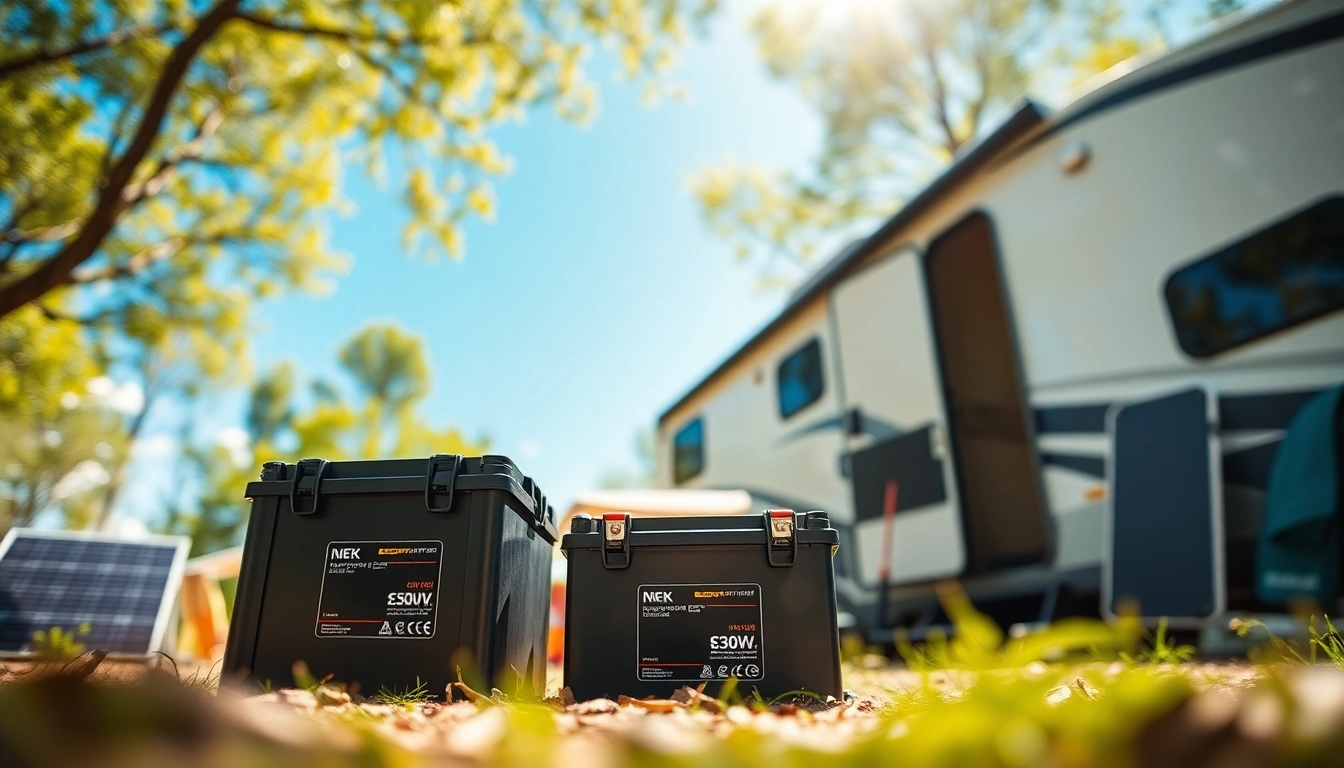
Understanding Lithium RV Batteries
What Are Lithium RV Batteries?
Lithium RV batteries are advanced energy storage systems designed specifically for recreational vehicles (RVs) and campers. They utilize lithium iron phosphate (LiFePO4) chemistry, which provides higher efficiency and longevity compared to traditional lead-acid batteries. These batteries are known for their impressive energy density, lighter weight, and excellent charge cycles, making them ideal for powering everything from lights and refrigerators to air conditioning systems in RVs. Notably, lithium RV batteries have become increasingly popular among RV enthusiasts due to their superior performance and reliability.
Key Features and Specifications
When considering Vatrer Power lithium RV batteries, several key features should be highlighted:
- Long Cycle Life: Lithium batteries can last up to 10 years or more, with over 3,000 charge cycles, compared to about 500 cycles for lead-acid batteries.
- Higher Usable Capacity: They can discharge to a depth of 80-100% without damage, offering more usable power.
- Faster Charge and Discharge Rates: Lithium batteries charge up to five times faster than their lead-acid counterparts, enabling quick recharging during pit stops.
- Lightweight Design: Their lightweight nature helps reduce the overall weight of the RV, which can improve fuel efficiency.
- Built-In Battery Management Systems (BMS): Many 12V 300Ah Lithium Battery include BMS to monitor battery health and safety, preventing overcharging and deep discharges.
Comparison with Traditional Batteries
When placing lithium RV batteries next to conventional lead-acid batteries, the differences are stark: FeatureLithium RV BatteriesLead-Acid BatteriesCycle Life3,000 - 5,000 cycles500 - 1,000 cyclesWeightLighter (30-50% reduction)HeavyCharging Time1-2 hours8-12 hoursDepth of Discharge100%50% - 80%CostHigher initial investmentLower initial investment
Advantages of Lithium RV Batteries
Longer Lifespan
Lithium RV batteries significantly outlast traditional batteries. The increased lifespan means fewer replacements over time, leading to lower long-term costs for RV owners. Frequent users will benefit from this feature, as they can depend on their power source without the constant worry of battery maintenance or replacement.
Faster Charging Times
Another considerable advantage is the rapid charging capabilities. Lithium RV batteries can recover to full charge in a fraction of the time it takes for lead-acid types. This feature is especially beneficial during trips, where quick rest stops may constrain charging time. Fast charging allows RVers to maximize their time on the road without losing power availability.
Weight and Space Efficiency
The lightweight nature of lithium RV batteries can transform the weight distribution in an RV, leading to enhanced towing and handling. Furthermore, their compact size frees up valuable space inside the RV for additional storage or comfort improvements. This efficiency combined with high energy density results in a much better power-to-weight ratio compared to lead-acid batteries.
How to Choose the Right Lithium RV Battery
Sizing Your Battery Needs
Selecting the right lithium RV battery begins with determining your power needs. Start by assessing the power consumption of all devices you plan to use during your trip—lights, appliances, entertainment systems, and charging ports. Calculate the total watt-hours needed and aim for a battery or battery bank capable of covering that demand while also allowing for some buffering to account for variations.
Understanding Battery Chemistry
Not all lithium batteries are created equal. Understanding the differences in lithium battery chemistry can significantly impact performance. Most RVers opt for lithium iron phosphate (LiFePO4) due to its thermal stability, safety profile, and longer cycle life compared to other lithium types, such as lithium cobalt oxide. Choosing the correct chemistry ensures you have a battery that meets your operational requirements.
Budgeting for Your Purchase
While examining options, consider your budget, including factors such as upfront costs, lifetime value, and maintenance. Quality lithium RV batteries typically have a higher initial purchase price; however, their extended lifespan and efficiency often result in savings in the long run. Create a budget that aligns with your travel habits and future energy demands to make an informed choice.
Installation and Maintenance Tips
Step-by-Step Installation Process
Installing a lithium RV battery can be straightforward when following these steps:
- Safety First: Ensure proper personal protective equipment (PPE) is worn, such as gloves and goggles.
- Power Down: Disconnect the RV from any power sources to prevent electrical shocks.
- Remove Existing Battery: Carefully take out the old battery, noting the connections for reconnection.
- Connect the Lithium Battery: Following the manufacturer’s instructions, connect the lithium battery. Typically, positive to positive and negative to negative.
- Secure the Battery: Ensure that the new battery is securely fastened, utilizing appropriate mounting brackets.
- Power On: Reconnect your RV’s systems and check functionality.
Maintaining Your Lithium RV Battery
Regular maintenance is minimal compared to traditional batteries. However, some essential practices enhance battery life:
- Maintain a clean battery terminal to ensure solid connections.
- Monitor state of charge (SOC) using battery management systems.
- Store at optimal temperatures, keeping it in a mild environment when not in use.
- Use appropriate charging methods; avoid super-fast chargers that can damage battery systems in the long term.
Common Issues and Troubleshooting
While lithium RV batteries are highly reliable, users may encounter some challenges:
- Battery Not Charging: Examine connections and ensure the charging source is functional.
- Low Performance: Check for temperature extremes or improper charging settings.
- Battery Management System (BMS) Alerts: Be aware of warning signals and consult the user manual for guidance.
Frequently Asked Questions About Lithium RV Batteries
Are lithium batteries worth the investment?
Yes, lithium batteries offer a longer lifespan and higher efficiency, making them cost-effective over time, especially for regular RV users.
How long do lithium RV batteries typically last?
Lithium RV batteries can last 10 years or more, depending on usage, maintenance, and storage conditions.
What is the best way to charge lithium RV batteries?
Use a dedicated lithium battery charger with a suitable charge profile to ensure safe and efficient charging. Always follow manufacturer guidelines.
Can I use lithium batteries with my current RV system?
Yes, most RVs can use lithium batteries; however, ensure compatibility with existing components and battery management systems.
What are the safety features of lithium RV batteries?
Most lithium batteries contain built-in battery management systems (BMS) that prevent overcharging, overheating, and deep discharges, ensuring safety during operation.