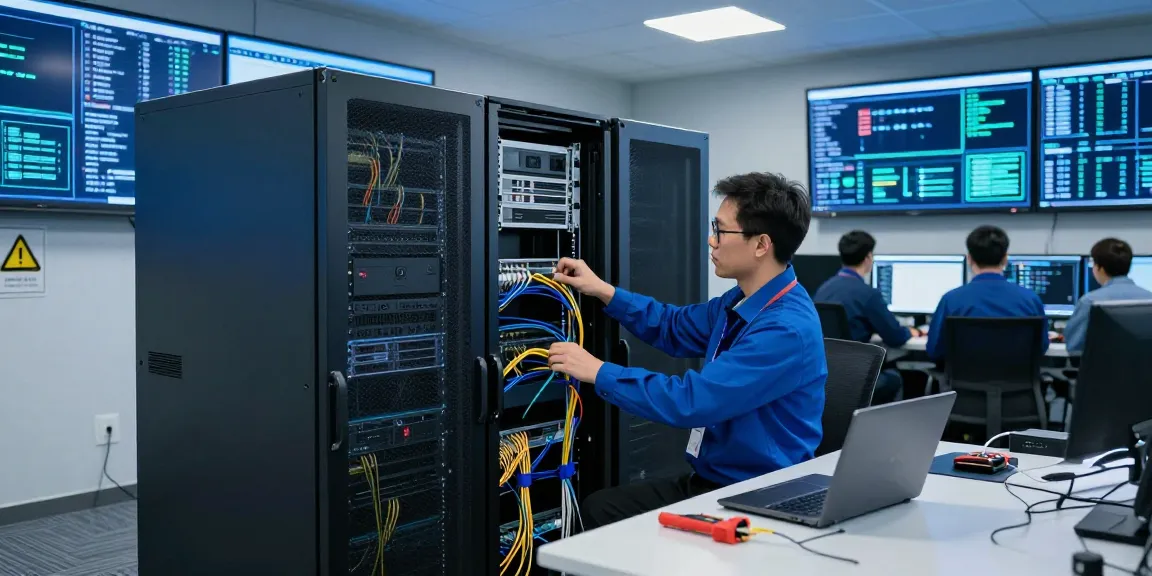
Understanding Dedicated Servers
In the realm of web hosting, dedicated servers represent a significant option for businesses that seek control, performance, and enhanced security. Unlike shared hosting services, where resources are allocated amongst multiple users, a dedicated server provides an entire physical server dedicated solely to one client. For organizations that require high bandwidth, extensive data storage, and customized infrastructure, dedicated servers are often the optimal solution. When exploring options, servidores dedicados can provide comprehensive insights into what to consider when selecting a server for your specific needs.
What Are Dedicated Servers?
Dedicated servers are a form of web hosting where an entire server is rented or purchased by a single client. This model allows the client full control over the server, including the choice of operating system, hardware, and software configurations. Dedicated servers are commonly used for hosting websites with high traffic volumes, running applications that require significant processing power, or managing databases that store large amounts of information.
Benefits of Using Dedicated Servers
The advantages of dedicated servers extend beyond mere performance. Here are some key benefits:
- Performance: With a dedicated server, the client enjoys high performance with no competition for resources from other users.
- Full Control: Clients have full administrative access, allowing them to configure the server to meet their precise needs.
- Security: Dedicated servers offer enhanced security features, minimizing the risk of cyber threats compared to shared hosting environments.
- Customization: Custom configurations can be tailored to specific applications or workloads, optimizing performance and efficiency.
Common Use Cases for Dedicated Servers
Dedicated servers are suitable for various applications and industries. The following are some common use cases:
- High-Traffic Websites: eCommerce platforms and popular blogs often choose dedicated servers to handle increased traffic without slowdowns.
- Large Databases: Organizations requiring extensive data storage and quick retrieval often utilize dedicated servers for their database management.
- Online Gaming: Gaming companies frequently implement dedicated servers to provide seamless gaming experiences for players.
- Virtualization: Businesses use dedicated servers to create virtual machines, allowing multiple operating systems to run concurrently.
Choosing the Right Dedicated Server
Choosing a dedicated server is a critical decision that can significantly impact your organizational efficiency and operational success. The selection process involves a careful assessment of various factors that align with your business needs.
Key Factors to Consider in Server Selection
When selecting a dedicated server, consider the following:
- Budget: Evaluate your budget constraints, as dedicated servers can vary widely in cost based on specifications and hosting provider.
- Hardware Specifications: Assess the hardware specifications, including CPU, RAM, and storage options, to ensure they meet your performance requirements.
- Bandwidth: Consider the bandwidth limitations and data transfer allowances that come with your server package to ensure optimal performance.
- Support and Maintenance: Investigate the level of support offered by the provider, including technical assistance and server maintenance options.
Comparing Different Dedicated Server Providers
Not all dedicated server providers are created equal. It’s essential to compare options by evaluating factors such as service reliability, uptime guarantees, and customer reviews. Additionally, look into the available service level agreements (SLAs) to understand the commitments each provider makes regarding uptime and support response times.
Understanding Server Specifications and Requirements
Before finalizing your choice, ensure you understand the technical specifications of the dedicated server. This includes:
- Processor Type: Look for modern processors that can handle multitasking efficiently.
- Memory Capacity: Evaluate the amount of RAM needed based on your applications.
- Storage Solutions: Consider whether you need SSDs for faster performance or traditional HDDs for cost-effective storage.
- Network Connectivity: Ensure the server offers sufficient bandwidth and the latest network interfaces for optimal connectivity.
Best Practices for Managing Dedicated Servers
Once you've selected and set up your dedicated server, effective management is crucial to maintaining performance and security. Implementing best practices is key to minimizing issues and maximizing uptime.
Essential Security Measures for Dedicated Servers
Security cannot be underestimated when it comes to dedicated servers. Key measures include:
- Firewalls: Implement robust firewall solutions to shield your server from unauthorized access.
- Regular Updates: Keep all software and operating systems updated to protect against vulnerabilities.
- Intrusion Detection Systems: Utilize systems that monitor for suspicious activity and potential breaches.
- Access Controls: Establish strict user access controls to limit who can interact with critical server functions.
Monitoring and Performance Optimization Techniques
To ensure your dedicated server runs smoothly, employ monitoring tools that track performance metrics such as CPU load, memory usage, and disk space. Optimization techniques can include:
- Load Balancing: Distribute workloads to prevent any single server from becoming a bottleneck.
- Caching: Implement caching strategies to reduce load times and improve user experience.
- Regular Audits: Conduct regular audits of server performance and configurations to identify areas for improvement.
Backup Strategies for Data Protection
Developing a solid backup strategy is vital for data integrity and recovery. Consider the following:
- Automatic Backups: Schedule automated backups to ensure data is consistently saved without manual intervention.
- Off-site Storage: Store backups in off-site locations to minimize the risk of data loss due to local server failures.
- Regular Testing: Regularly test backup systems to ensure recovery procedures function as intended during a disaster.
Common Mistakes to Avoid with Dedicated Servers
Operating a dedicated server comes with pitfalls that can hinder performance and security. Avoid these common mistakes:
Neglecting Regular Maintenance and Updates
Failing to perform routine maintenance and software updates can lead to vulnerabilities and performance degradation. Implement a maintenance schedule to ensure all components are functioning optimally.
Underestimating Resource Requirements
It’s essential to accurately assess the resource needs of your applications. Underprovisioning can lead to slow performance and failures, while overprovisioning can result in unnecessary expenses.
Ineffective Disaster Recovery Planning
A comprehensive disaster recovery plan is critical. Ensure that you have clear procedures in place for data recovery and service restoration in the event of an outage or disaster.
Future Trends in Dedicated Server Technology
As technological advancements continue, dedicated servers are also evolving. Staying informed about these trends can help businesses leverage new opportunities.
Emerging Innovations in Server Technology
The server landscape is being transformed by innovations such as:
- AI and Automation: The integration of AI will allow for automated server management, enhancing efficiency and reducing human errors.
- Edge Computing: With the rise of IoT, edge computing solutions can reduce latency by processing data closer to the source.
- Advanced Virtualization: Continuous improvements in virtualization technology will allow for more efficient resource allocation and management.
Predictions for 2026 and Beyond
Looking ahead, we can expect dedicated servers to play an even more significant role in enterprise IT strategies. Increased reliance on cloud integrations and hybrid models will likely shape the evolution of dedicated hosting solutions.
Impact of Cloud Integration on Dedicated Servers
The rise of cloud computing continues to influence dedicated servers. Businesses are now seeking hybrid solutions that combine the reliability of dedicated hosting with the scalability of cloud services. This trend represents a shift towards more flexible, cost-effective server solutions.
What are dedicated servers used for?
Dedicated servers are primarily used for hosting websites, managing large databases, gaming applications, and providing resources for specific enterprise needs that require high performance and security.
How to choose the best dedicated server?
Choosing the best dedicated server involves evaluating your specific needs, comparing providers, assessing hardware specifications, and understanding your budget while considering the level of support offered by the provider.
What mistakes should I avoid with dedicated servers?
Avoid common mistakes such as neglecting regular server maintenance, underestimating resource needs, and not having an effective disaster recovery plan in place.
What are the benefits of dedicated servers?
The benefits of dedicated servers include enhanced performance, full control over server configurations, improved security, and the ability to customize the server for specific business needs.
How to optimize performance on dedicated servers?
Performance optimization can be achieved through regular monitoring, implementing caching strategies, load balancing, and conducting routine audits to identify areas for improvement.