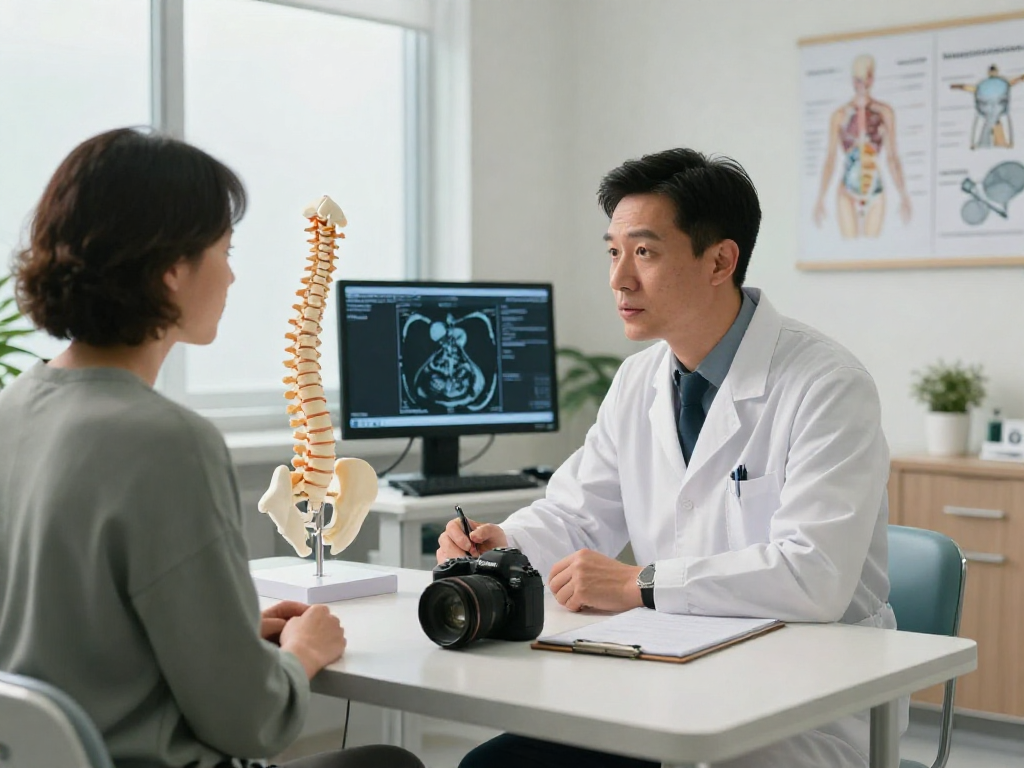
Understanding Bel Fıtığı Ameliyatı: When Is It Necessary?
Bel fıtığı, a common but often debilitating condition, can lead to significant pain and discomfort, particularly when it radiates down the leg. Understanding when surgical intervention becomes necessary is crucial for patients experiencing ongoing problems. In this comprehensive guide, we will explore the stages at which Bel fıtığı ameliyatı is required, how to identify symptoms indicative of severe issues, and when you should consider surgery over conservative treatments.
What is Bel Fıtığı and Its Symptoms?
Bel fıtığı, or herniated disc, occurs when one of the discs in the spinal column bulges out of its normal position. The most common symptoms include:
- Localized back pain
- Pain radiating down the leg (sciatica)
- Numbness or tingling in the legs or feet
- Muscle weakness
- Difficulties with bladder or bowel control in severe cases
The severity of these symptoms varies significantly among patients, with some experiencing only mild discomfort while others may find it debilitating. When conservative treatments such as rest, physical therapy, and medication fail to alleviate these symptoms, surgical intervention may be warranted.
Indications for Surgical Intervention in Bel Fıtığı
Deciding when to proceed with surgery can be a challenging aspect of treatment. Indicators that surgery might be necessary include:
- Persistent pain despite extensive non-surgical treatment (e.g., medications, physical therapy)
- Significant muscle weakness, particularly in the lower extremities
- Progressive neurological deficits
- Cauda Equina syndrome, characterized by severe lower back pain, saddle anesthesia, and bladder dysfunction
Patients experiencing any of these symptoms should consult with a spine specialist to evaluate the need for surgical intervention. Early intervention can prevent further complications and improve outcomes.
Recognizing Emergency Situations: Cauda Equina Syndrome
One of the most critical situations requiring immediate surgical intervention is Cauda Equina Syndrome. This syndrome occurs when the nerve roots of the lower spine are compressed, leading to:
- Severe back pain
- Loss of sensation in the saddle area (buttocks and inner thighs)
- Bladder or bowel incontinence
- Weakness in the legs
If you experience any combination of these symptoms, you must seek emergency medical care to avoid potential permanent damage. The prognosis for recovery significantly decreases if surgery is delayed beyond 24 to 48 hours after symptom onset.
Preparation for Bel Fıtığı Ameliyatı: Essential Steps
Once surgical intervention is deemed necessary, proper preparation is key to ensuring a successful outcome. Several important steps are involved before undergoing bel fıtığı ameliyatı.
Pre-operative Assessments and Imaging Techniques
Before surgery, a comprehensive evaluation by a spine surgeon is essential. This evaluation typically includes:
- Detailed medical history
- Physical examination to assess neurological function
- Imaging studies such as MRI or CT scans to confirm the diagnosis
These assessments will help the surgeon understand the extent of the injury and determine the most appropriate surgical approach.
Patient Education: What to Expect Before Surgery
Understanding the procedure and discussing expectations with your surgeon is critical. Patients should be informed about:
- The type of surgical procedure planned (open surgery versus minimally invasive techniques)
- Risks associated with the surgery
- Expected recovery timeline
Additionally, patients may need to make arrangements for post-operative care, including assistance at home during the initial recovery phase.
Identifying the Right Surgical Technique for Each Patient
Based on the individual case, the surgeon may recommend several surgical techniques. Common options include:
- Microdiscectomy: A minimally invasive procedure that involves the removal of a small portion of the disc to relieve pressure on the nerve.
- Laminectomy: This procedure involves the removal of a portion of the vertebra to access the spinal canal and relieve nerve compression.
- Spinal fusion: This technique aligns the vertebrae and permanently connects them using bone grafts or metal rods.
Each surgical option carries distinct risks and benefits, which should be thoroughly discussed with the healthcare provider.
The Procedure: What Happens During Bel Fıtığı Ameliyatı?
Understanding what to expect during the procedure itself can alleviate anxiety and enhance patient cooperation. Surgical techniques have evolved significantly, particularly with the advent of minimally invasive approaches.
Overview of Minimally Invasive Surgical Techniques
Minimally invasive techniques, such as microdiscectomy, utilize small incisions (less than 2 inches) to perform the operation. This approach has several advantages, including:
- Reduced recovery time
- Less postoperative pain
- Lower risk of infection
The minimally invasive approach has revolutionized spine surgery, allowing for greater precision and promoting better outcomes.
Step-by-Step Guide to the Surgical Process
Though surgical methods can vary, a typical microdiscectomy procedure includes the following steps:
- The patient is given anesthesia.
- A small incision is made in the skin over the affected disc.
- The muscle layers are gently separated to access the spine without cutting through them.
- The herniated portion of the disc is removed to relieve pressure on the nerve root.
- The incision is closed with stitches or staples.
Patients generally remain in the hospital for a short period for monitoring post-surgery, typically overnight.
Post-surgery Protocols and Immediate Recovery
After a successful operation, immediate recovery protocols are critical. Patients are usually mobilized soon after surgery to promote blood flow and prevent complications. Activities may include:
- Gentle movement and walking
- Controlled pain management with prescribed medications
- Gradual resumption of normal activities under medical guidance
Following surgery, physical therapy may also be recommended to aid recovery and strengthen the surrounding muscles.
Post-operative Care: Optimizing Recovery After Bel Fıtığı Ameliyatı
Post-operative care is vital in ensuring that patients recover effectively and return to their normal activities. Understanding the key components of recovery can lead to improved outcomes.
Physical Rehabilitation: Best Practices for Recovery
Effective physical rehabilitation is crucial for restoring strength and mobility after surgery. Recommended practices include:
- Engaging in targeted exercises as prescribed by a physical therapist
- Practicing good posture and body mechanics during daily activities
- Incorporating low-impact exercises such as swimming or cycling to improve cardiovascular fitness
Adhering to a personalized rehabilitation plan can significantly enhance recovery timelines.
Managing Post-operative Pain Effectively
Post-operative pain management is essential for patient comfort and recovery. Strategies may include:
- Utilizing prescribed pain medication as directed
- Applying ice packs to reduce swelling
- Gradually transitioning to over-the-counter pain relief as guided by the surgeon
Patients should communicate openly with their healthcare providers regarding their pain levels to adjust treatment plans as needed.
Signs of Complications: When to Call Your Doctor
While most patients experience a smooth recovery, it’s important to be vigilant for potential complications. Signs that require immediate medical attention include:
- Increased pain or swelling around the surgical site
- Signs of infection (fever, chills)
- Neurological changes such as increased weakness or loss of bladder/bowel control
Early detection and treatment of complications can prevent long-term issues and enhance overall recovery.
Future Trends in Bel Fıtığı Treatment: What to Expect by 2026
The field of spinal surgery is continually evolving, and several promising developments are expected to shape the treatment of bel fıtığı in the coming years.
Emerging Technologies in Spine Surgery
As technology advances, new surgical techniques and tools are being developed. Future treatments may include:
- Robotics-assisted surgery for increased precision
- Improved imaging technology for enhanced pre-operative planning
- Stem cell therapy for tissue regeneration
These innovations are likely to further reduce recovery times and improve patient outcomes.
Patient-Centric Care Approaches in Surgical Treatment
There is a growing emphasis on personalized medicine, with treatment plans tailored to each patient’s unique needs and circumstances. This could lead to:
- More comprehensive pre-operative assessments
- Greater involvement of patients in decision-making processes
- Enhanced post-operative care based on individual recovery patterns
Such approaches may contribute to increased satisfaction and better long-term results for patients.
Long-term Outcomes: Research Insights and Predictions
Research will continue to play a crucial role in understanding the long-term outcomes of various treatments for bel fıtığı. Ongoing studies may reveal:
- Long-term effectiveness of minimally invasive techniques compared to traditional methods
- Factors influencing recovery success
- Strategies to optimize rehabilitation and functionality post-surgery
As more data becomes available, it will inform future practices and improve the overall standard of care.
What is the average recovery time after bel fıtığı ameliyatı?
The average recovery time can vary significantly based on the surgical technique used, with minimally invasive procedures typically offering shorter recovery periods of about 2-4 weeks compared to traditional approaches, which may take several months for full recovery.
How does the minimally invasive approach differ from traditional surgery?
Minimally invasive techniques involve smaller incisions, less trauma to surrounding tissues, and faster recovery times compared to traditional open surgeries that require larger incisions and significant muscle disruption.
What are the risks associated with bel fıtığı ameliyatı?
While generally safe, the risks associated with bel fıtığı ameliyatı include infection, bleeding, blood clots, nerve damage, and the possibility of disc re-herniation.
When should I consider surgery for bel fıtığı?
Surgery should be considered if symptoms persist despite conservative treatments for 6-12 weeks, if there's significant muscle weakness, or if you show signs of Cauda Equina Syndrome.
What pre-operative preparations should I follow?
Pre-operative preparations include discussing medication adjustments with your doctor, undergoing necessary imaging studies, and planning for post-surgical care and recovery.. Additionally, Bel fıtığı ameliyatı provides further details.