Understanding Air-Cooled Vehicles
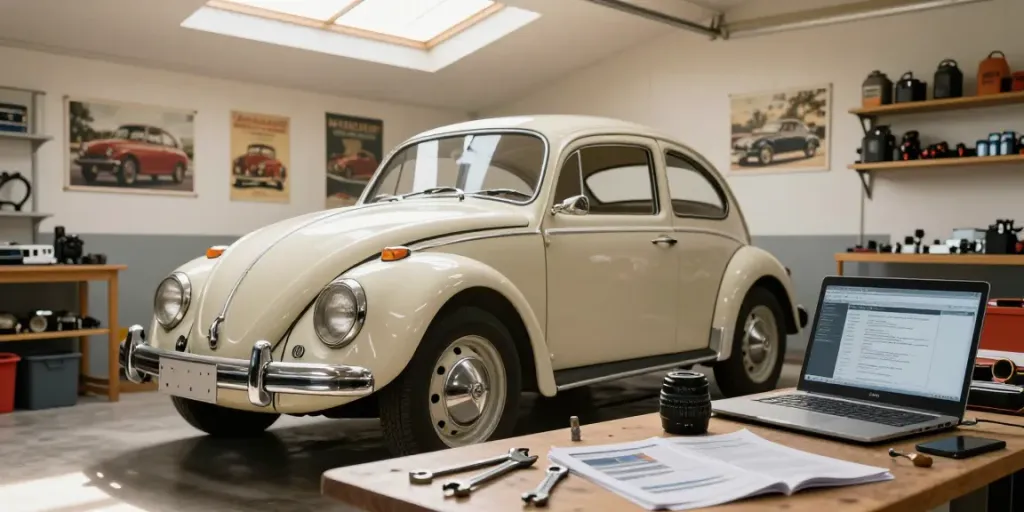
Air-cooled vehicles, particularly classic models like those from Volkswagen, have a unique charm and cultural significance that attracts automotive enthusiasts. These vehicles utilize air to regulate engine temperature instead of traditional liquid cooling systems. This design not only offers distinctive engineering advantages but also facilitates simpler mechanics and lighter construction. As we delve into the intricacies of air-cooled engines, we celebrate their storied past and explore their maintenance and restoration, including resources available at http://www.aircooledapps.com.
What Makes Air-Cooled Engines Unique?
Air-cooled engines operate using ambient air to dissipate heat, a notable departure from liquid-cooled systems that circulate coolant. This technology has several advantages, including reduced weight, improved mechanical simplicity, and fewer components that could malfunction. Moreover, air-cooled engines are often easier to service, as they eliminate the need for a radiator, hoses, and the associated cooling fluids. The most iconic examples include Volkswagen's Beetle and Bus, which leverage this design philosophy to deliver reliability and performance in various driving conditions.
History of Volkswagen Air-Cooled Models
The history of Volkswagen's air-cooled models is rich and fascinating. The Volkswagen Beetle, designed in the 1930s, was the first mass-produced air-cooled car, quickly gaining popularity due to its affordability and fuel efficiency. Following its success, models like the Type 2 (Transporter) and other variants further cemented Volkswagen's reputation as a manufacturer of reliable air-cooled vehicles. These models became cultural icons throughout the decades, representing counterculture movements and adventurers alike. Their design and engineering have stood the test of time, making them beloved by enthusiasts and collectors around the world.
Common Misconceptions about Air-Cooled Cars
Despite their popularity, air-cooled vehicles are often misunderstood. One prevalent misconception is that air-cooled engines do not adequately manage heat, leading to overheating. However, as long as proper maintenance is practiced, air-cooled engines can operate efficiently in a variety of climates. Another myth is that these cars lack power or performance; many air-cooled models, particularly those modified by enthusiasts, can deliver impressive speed and handling. Understanding these misconceptions is crucial for any enthusiast looking to get involved with air-cooled vehicles.
The Basics of Air-Cooled Engine Maintenance
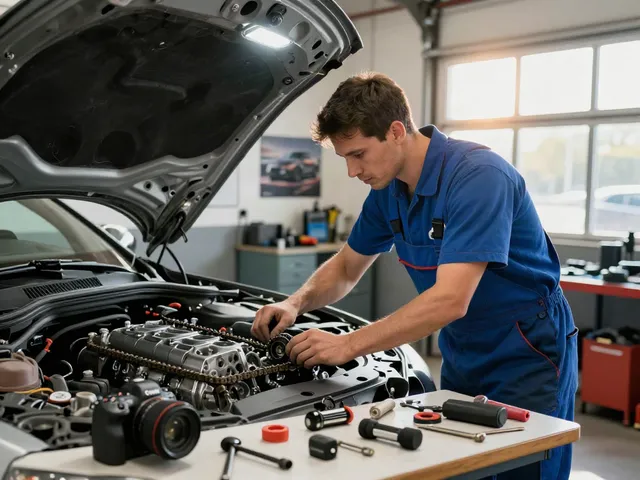
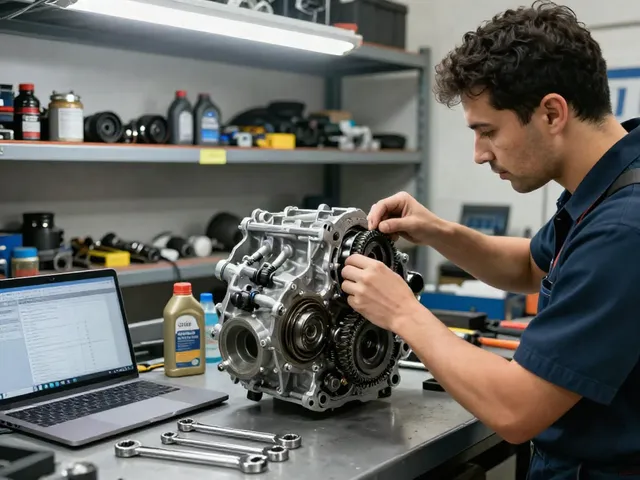
Maintaining an air-cooled engine is essential for optimal performance and longevity. These engines, designed for simplicity, require specific care to ensure they remain in top condition. With a few basic tools and techniques, owners can keep their air-cooled vehicles running smoothly. This guide will provide insights on essential maintenance practices, signs to watch for regarding engine health, and tips for caring for your vehicle.
Essential Tools for Air-Cooled Car Care
Every air-cooled vehicle owner should have a set of essential tools to perform basic maintenance tasks. Here are some fundamental tools for air-cooled car care:
- Socket set: For removing bolts and components easily.
- Torque wrench: To ensure fasteners are tightened to the correct specifications.
- Screwdriver set: A variety of screwdrivers will help with many tasks.
- Oil filter wrench: Necessary for oil changes to ensure easy removal of the oil filter.
- Digital multimeter: To diagnose electrical issues in the vehicle.
Routine Maintenance Procedures
Regular inspections and maintenance can significantly extend the lifespan of air-cooled engines. Here are routine maintenance tasks to perform:
- Oil Changes: Change the oil every 3,000 miles or every six months, whichever comes first, to keep the engine running smoothly.
- Valve Adjustments: Regular adjustments of the valves ensure optimal performance and longevity of the engine.
- Cleaning: Keep the engine and surrounding areas clean to prevent dirt and debris from affecting performance.
- Check Electrical Systems: Regularly inspect and clean electrical connections to avoid issues with battery life and overall electrical system performance.
Signs Your Air-Cooled Engine Needs Attention
Identifying early warning signs can prevent costly repairs down the line. Common indicators that your air-cooled engine may need attention include:
- Unusual Noises: Knocking or tapping sounds can indicate issues with engine components.
- Oil Leaks: Checking for fluid leaks under your vehicle can help identify potential problems.
- Overheating: If the engine temperature rises beyond the normal range, it may signal cooling issues.
- Decreased Performance: A drop in power or acceleration can be a sign of engine troubles.
Upgrading Your Air-Cooled VW
For many enthusiasts, upgrading their air-cooled VW is a way to enhance performance and personalize their vehicles. Understanding the various options available can make the upgrading process efficient and satisfying. Whether for increased horsepower, improved aesthetics, or simply updating old components, there are numerous ways to enhance your air-cooled ride.
Popular Performance Modifications
Performance modifications can significantly improve the capabilities of your air-cooled engine. Here are some popular upgrades:
- Exhaust Systems: Upgrading to a high-performance exhaust can improve airflow, resulting in better performance.
- Cylinder Heads: Installing a set of performance cylinder heads can increase engine efficiency and power output.
- Carburetor Upgrades: A new carburetor can optimize fuel delivery and improve throttle response.
Choosing the Right Parts and Accessories
Selecting the correct parts is crucial for successful upgrades. Research reputable suppliers and manufacturers who specialize in air-cooled vehicles. Look for parts that are specifically designed for your model to ensure compatibility and longevity.
Balancing Style and Functionality
When upgrading, finding a balance between aesthetics and performance is key. Custom wheels, paint jobs, and interior modifications can enhance visual appeal while ensuring that these changes do not compromise the vehicle's functionality. Collaborating with experienced restorers or enthusiasts can provide valuable insights into achieving this balance.
Getting Involved in the Air-Cooled Community
Connecting with fellow air-cooled vehicle enthusiasts not only enriches your ownership experience but also offers a wealth of knowledge and support. Engaging with the community can lead to valuable resources, friendships, and opportunities to showcase your vehicle.
Finding Local Clubs and Events
Joining local clubs dedicated to air-cooled vehicles can provide an avenue for meeting like-minded individuals. Many regions host car meets and events throughout the year where enthusiasts can showcase their vehicles, share stories, and exchange tips. Participating in these gatherings can deepen your knowledge and appreciation for classic air-cooled cars.
Online Resources and Forums
Online forums and social media groups dedicated to air-cooled vehicles serve as excellent resources for enthusiasts. Here, you can ask questions, share experiences, and access a wealth of information from seasoned owners. Websites with dedicated sections for maintenance tips, restoration advice, and modification discussions can prove invaluable.
Networking with Other Enthusiasts
Taking the initiative to network with fellow enthusiasts can open doors to new friendships and mentorships. Consider reaching out to experienced restorers or attending workshops to bolster your skills. The air-cooled community thrives on shared knowledge, and being an active participant can significantly enrich your ownership journey.
Future Trends in Air-Cooled Vehicle Restoration
The restoration of air-cooled vehicles is evolving as technology advances. While maintaining the classic charm of these vehicles, restorers are beginning to incorporate modern technologies and eco-friendly practices into their processes.
Emerging Technologies for Classic Cars
Technological innovations are finding their way into the restoration of classic vehicles, including electric conversion kits and advanced diagnostic tools. These technologies aim to enhance performance, safety, and efficiency while preserving the iconic elements that make air-cooled vehicles unique. Embracing these advancements can lead to modernized classics that remain enjoyable to drive.
Eco-Friendly Restoration Practices
As environmental concerns grow, eco-friendly practices in vehicle restoration are gaining momentum. This can include using sustainable materials, opting for environmentally-friendly paints, and incorporating energy-efficient components. By adopting these practices, restorers can minimize environmental impacts while still achieving high-quality results.
The Evolving Market for Vintage Vehicles
The market for vintage air-cooled vehicles is flourishing, with increasing demand among collectors and enthusiasts. This trend highlights the shift towards preserving classic vehicles, and as a result, prices for well-maintained air-cooled cars have steadily risen. As more people recognize the value of these vehicles, the community of passionate owners continues to grow.