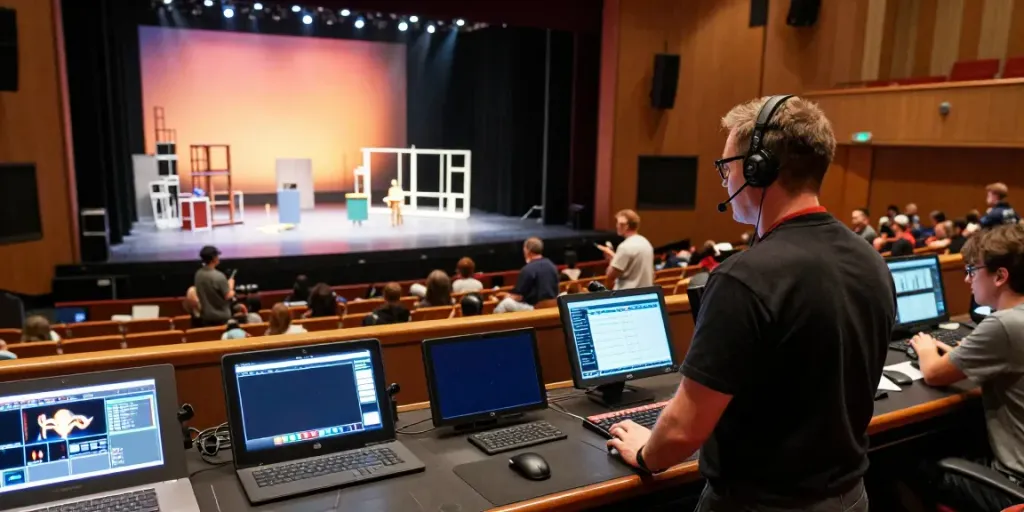
Understanding the Role of Theatre Apps in Modern Productions
In the evolving landscape of theatre, technology plays a crucial role in enhancing production efficiency and audience engagement. Theatre apps have emerged as indispensable tools that streamline various aspects of performance management, from sound design to stage management. These applications empower theatre professionals to create immersive experiences and manage their productions with unparalleled precision and ease. When exploring options, theatre apps can offer comprehensive insights into the tools available for modern creators.
What Are Theatre Apps and Their Purpose?
Theatre apps refer to specialized software designed to assist in different aspects of theatrical production. Their primary purpose is to enhance communication, streamline workflow, and boost productivity. These applications cater to various needs, including script management, sound and lighting design, and audience engagement strategies. As productions grow more complex, the use of theatre apps allows for better coordination among cast, crew, and audiences, ultimately enhancing the overall theatre experience.
Key Features of Effective Theatre Apps
Effective theatre apps usually include several key features, such as:
- User-Friendly Interface: Ensures that all users, regardless of tech-savviness, can easily navigate the app.
- Collaboration Tools: Features that enable seamless communication between cast, crew, and production teams.
- Integration Capabilities: Ability to integrate with existing tools and platforms, such as ticketing systems and social media.
- Real-Time Updates: Facilitate instant sharing of information regarding schedules, changes, and announcements.
- Data Analytics: Provide insights into audience engagement and ticket sales, helping theatre managers make informed decisions.
Benefits of Integrating Technology in Theatre
Integrating technology through theatre apps offers numerous benefits, including:
- Increased Efficiency: Automating routine tasks allows directors and stage managers to focus on creative decisions.
- Enhanced Audience Experience: Innovative features such as mobile surtitles and audio descriptions broaden accessibility for diverse audience members.
- Improved Collaboration: With real-time communication and shared resources, teams can work more effectively.
- Cost Savings: Reduced reliance on paper and physical resources lowers overall production costs.
Top Theatre Apps to Enhance Your Performance Management
With the vast array of theatre apps available, it can be daunting to determine which ones will best suit your production needs. Factors such as the scale of your production, your budget, and specific team requirements should guide your selection process. For instance, larger theatres might benefit from comprehensive tools that cover multiple areas, while smaller productions might prefer more focused applications tailored to specific tasks.
Choosing the Right Apps for Production Needs
Identifying the right theatre apps starts with a clear understanding of your production goals. Conduct a needs assessment to evaluate the technical and creative aspects that require support. Consider both short-term and long-term needs, as a well-chosen app can grow with your production over time.
Essential Features for Sound and Lighting Design
Sound and lighting are pivotal elements in any theatrical production. Effective theatre apps dedicated to these areas should offer features such as:
- Control Interfaces: User-friendly interfaces that allow for remote adjustments during performances.
- Sound Libraries: Access to a wide range of sound elements that can be integrated easily into productions.
- Lighting Visualization: Tools that help visualize lighting arrangements and cue timing.
Leveraging Apps for Stage Management Efficiency
Stage management is a complex task that requires meticulous organization and communication. Apps designed for stage management can significantly enhance efficiency by providing:
- Scheduling Features: Tools to create and distribute rehearsal schedules and performance timelines.
- Task Lists: Checklists for various tasks and responsibilities that can be easily shared among team members.
- Document Sharing: Centralized platforms for sharing scripts, notes, and production changes.
Improving Accessibility through Theatre Apps
Accessibility is a crucial consideration in modern theatre. Theatre apps can play a significant role in making performances more inclusive for audiences with diverse needs. By incorporating accessible features, productions can reach a wider audience and enrich the theatre experience for everyone.
Creating Accessible Performances with Captioning Tools
Captioning tools integrated into theatre apps can help make performances more accessible. Features that allow for real-time captioning ensure that everyone can follow along with the dialogue, making theatre more inclusive for individuals with hearing impairments.
Mobile Surtitles: Bringing Narration to Smartphones
Mobile surtitles offer audience members the ability to read subtitles directly on their smartphones, enhancing their viewing experience. This technology is particularly beneficial for international productions or performances in different languages, allowing for broader accessibility.
Enhancing Audience Experience with Audio Descriptions
Audio descriptions provide essential context for individuals with visual impairments. Using theatre apps that offer audio description capabilities can transform live performances into fully immersive experiences, ensuring that all audience members remain engaged.
Future Trends in Theatre Apps for 2026 and Beyond
Theatre technology is evolving rapidly, with new innovations continually reshaping how performances are produced and experienced. As we look toward 2026 and beyond, several key trends are poised to influence the future of theatre apps.
Digital Innovations Transforming Theatre Practices
Emerging technologies like augmented reality (AR) and virtual reality (VR) are gaining traction in theatrical productions. Apps that leverage these technologies will facilitate novel storytelling methods and audience engagement strategies, offering fully immersive experiences that were once unimaginable.
The Impact of AI on Theatre App Development
Artificial intelligence is set to revolutionize theatre apps by automating routine tasks and providing intelligent recommendations for sound and lighting design. AI can also enhance marketing efforts by analyzing audience data to tailor promotions and increase ticket sales.
Emerging Technologies Shaping Audience Engagement
As theatre goes digital, apps will play an increasingly important role in audience engagement. Features like interactive voting on performance elements, mobile-integrated experiences, and community-building functions will make audiences feel more connected to productions and each other.
Implementing Successful Strategies with Theatre Apps
For theatre companies looking to implement theatre apps successfully, it is imperative to adopt strategies that will maximize their impact on productions. This involves careful planning, execution, and ongoing evaluation of app performance.
Measuring Success: Metrics That Matter
To determine the effectiveness of theatre apps, establish metrics that align with production goals. Key performance indicators can include audience engagement rates, ticket sales, and user satisfaction levels. Regular assessment of these metrics will inform whether the chosen app is meeting the needs of your production.
Case Studies of Successful Theatre App Integrations
Examine case studies of other theatre companies that have successfully integrated technology into their operations. Analyzing their experiences can offer valuable insights into best practices and potential pitfalls to avoid when selecting and implementing theatre apps.
Best Practices for App Implementation in Theatre
When introducing new apps, consider the following best practices:
- Training Sessions: Ensure that all team members undergo comprehensive training on how to use the apps effectively.
- Feedback Loops: Establish regular channels for feedback from users to continually enhance app functionalities.
- Ongoing Support: Provide resources and support for users facing challenges with the app.
What are some good apps for theatre?
Some of the most highly regarded theatre apps include those specifically designed for sound design, stage management, and audience engagement. Platforms that enable seamless collaboration among production teams are particularly beneficial in improving overall efficiency.
How can I improve my theatre production with technology?
Utilizing theatre apps tailored to your production’s unique needs can streamline processes, enhance collaboration, and ensure a more engaging experience for your audience. Embracing digital tools allows theatre professionals to focus more on the creative aspects of their work.
What are the benefits of using theatre apps?
Theatre apps offer numerous advantages, including increased efficiency, enhanced audience accessibility, improved communication among team members, and cost savings on resources. By integrating technology wisely, theatre professionals can significantly boost their productivity and creativity.
How do I choose the right theatre app for my needs?
Start by assessing your production's specific requirements and budget. Research various apps, read reviews, and, if possible, request demos to see which options best align with your needs before making a commitment.
What trends should I expect in theatre apps by 2026?
Expect to see advancements in AR and VR integration, increased automation through AI, and enhanced mobile functionalities that engage audiences on deeper levels. The future of theatre apps will undoubtedly focus on creating immersive and interactive experiences for both performers and audiences alike.