Understanding the Manaslu Circuit Trek
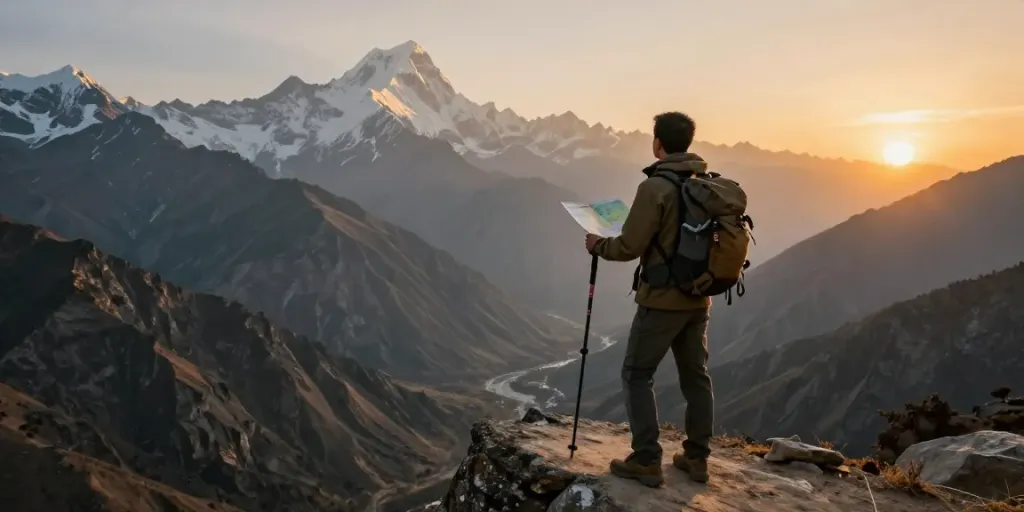
The Manaslu Circuit Trek stands as a jewel in Nepal's crown of trekking routes, bringing together breathtaking vistas, rich cultural heritage, and an exhilarating adventure. This 15-day journey encircles Mount Manaslu, the eighth highest peak in the world, and provides trekkers a chance to explore some of the most stunning landscapes in the Himalayas. As you traverse through ancient Tibetan villages, pristine glacial lakes, and rugged terrains, the trek offers a unique blend of physical challenge and cultural immersion. For those considering this adventure, the Manaslu Circuit represents a perfect choice to experience the majestic beauty of Nepal away from the more crowded trails.
What Is the Manaslu Circuit?
The Manaslu Circuit is a trekking route in the Mansiri Himal region of Nepal. It provides a captivating experience through a variety of terrains ranging from lush green hills to high-altitude passes. The trek typically starts at Machha Khola, meandering through various villages such as Jagat, Deng, and Namrung, eventually leading to stunning views of Manaslu Peak and the Larkya La Pass. At an altitude of 5,160 meters (16,929 feet), the pass is a challenging but rewarding highlight, featuring panoramic views of the surrounding peaks.
Why Choose the Manaslu Circuit Over Other Treks?
The Manaslu Circuit offers several advantages when compared to other popular treks such as Everest Base Camp or Annapurna Circuit. Notably, it is less crowded, providing trekkers with a sense of solitude amidst nature. The trek also embraces a rich cultural experience, as it passes through traditional Tibetan villages where one can interact with locals and learn about their customs. Additionally, the trek offers diverse flora and fauna, making it a paradise for nature lovers.
Common Misconceptions About the Manaslu Circuit
One common misconception is that the Manaslu Circuit is exclusively for seasoned trekkers. While it is indeed demanding, trekkers with moderate fitness levels can successfully complete the trek with proper preparation and acclimatization. Another myth is the belief that the trek lacks basic amenities. Contrary to this, there are numerous teahouses along the route providing comfortable lodging and nourishment, though expectations should be managed as the facilities may vary.
Preparation for the Manaslu Circuit
Essential Gear for the Manaslu Circuit
Preparing for the Manaslu Circuit requires a well-thought-out gear list. Essential items include durable trekking boots, warm clothing layers, and a reliable sleeping bag rated for cold temperatures. Additionally, poles for stabilization on uneven terrains, sunscreen, and a first aid kit are crucial for safety. For those who prefer, renting some gear like down jackets and sleeping bags is also an option available in Kathmandu.
Physical Fitness Requirements and Training Guides
Successfully completing the Manaslu Circuit necessitates a good level of physical fitness, as trekkers will typically walk 6-8 hours daily. It is advisable to engage in cardio exercises like running, cycling, or swimming several times a week leading up to the trek. Incorporating hill hikes with a weighted backpack can simulate the trekking experience and enhance endurance.
Permits and Regulations You Need For the Manaslu Circuit
As the Manaslu region is classified as a restricted area, specific permits are obligatory to undertake the trek. Trekkers must acquire the Manaslu Restricted Area Permit (MRAP), Manaslu Conservation Area Permit (MCAP), and the Trekkers’ Information Management System (TIMS) card. These permits should be arranged through a recognized trekking agency, such as Ace the Himalaya, which ensures compliance with local regulations.
Itinerary Overview for the Manaslu Circuit
Detailed Day-by-Day Itinerary of the Trek
The Manaslu Circuit trek typically spans 15 days. The itinerary includes arrival in Kathmandu, a drive to Machha Khola, and gradual trekking through villages and high passes. Key stops include Jagat, Namrung, Lho, and Samagaon. Each day of the trek is planned for acclimatization, allowing the body to adjust to the altitude before tackling higher terrains.
Key Highlights of the Manaslu Circuit Trek
The trek’s key highlights include breathtaking views at the Larkya La Pass, serene Birendra Lake, and the opportunity to visit ancient monasteries. Each night spent in traditional teahouses provides a glimpse into local life and culture, enriching the trekking experience.
Acclimatization Strategies During the Trek
Proper acclimatization is vital for a successful trek. The itinerary includes designated acclimatization days, particularly in Samagaon, where trekkers can hike to higher altitudes and return to allow their bodies to adjust. It is crucial to stay hydrated, eat well, and rest adequately during these periods.
Health and Safety on the Manaslu Circuit
Preventing Acute Mountain Sickness (AMS)
Acute Mountain Sickness (AMS) is a potential risk during the Manaslu Circuit due to the high altitudes. To minimize risks, trekkers should ascend gradually, listen to their bodies, and if symptoms such as headaches or nausea occur, descend to lower altitudes immediately. Staying hydrated and consuming meals rich in carbohydrates can also help mitigate AMS symptoms.
Emergency Response and First Aid Procedures
It is essential to have a first aid kit on hand and be familiar with basic emergency procedures. Trekking agencies like Ace the Himalaya generally employ trained guides who can administer first aid and recognize signs of altitude sickness. In case of a severe condition, swift communication and transport options, such as hiring a helicopter, should be made available.
Choosing the Right Trekking Guide for Safety
Selecting a knowledgeable and experienced trekking guide is critical for ensuring safety on the Manaslu Circuit. A local guide not only enhances the trekking experience through insights into cultural practices but also plays a crucial role in navigating the terrain and responding to any emergencies that may arise.
Maximizing Your Experience on the Manaslu Circuit
Engaging with Local Cultures Along the Route
The Manaslu Circuit is rich in cultural diversity, primarily influenced by Tibetan and Gurung traditions. Engaging with local communities during the trek allows trekkers to experience authentic hospitality, try traditional foods, and learn about the unique lifestyles of the inhabitants.
Tips for Sustainable Trekking Practices
As more trekkers discover the beauty of the Manaslu Circuit, embracing sustainable trekking practices becomes increasingly important. Trekkers should strive to minimize their environmental footprint by carrying out waste, using refillable water bottles, and respecting local customs and traditions. Supporting local businesses and hiring local guides are also excellent ways to promote sustainable tourism.
Post-Trek Recommendations and Reflections
After completing the Manaslu Circuit, taking time to reflect on the journey is essential. Keep a travel journal or share experiences with fellow trekkers to savor the memories. Additionally, considering extending your stay in Kathmandu or nearby Pokhara can provide opportunities for sightseeing and further cultural immersion.
How difficult is the Manaslu Circuit Trek?
The Manaslu Circuit trek is generally classified as moderately difficult. It involves high altitudes, rugged terrain, and variable weather conditions. Adequate preparation and fitness are key components for managing the trek's challenges successfully.
Can I trek the Manaslu Circuit solo?
Due to the restricted nature of the area, solo trekking on the Manaslu Circuit is not permitted. Trekkers must hire a licensed guide and follow established routes to ensure safety and regulatory compliance.
What is the best time to visit the Manaslu Circuit?
The ideal times to trek the Manaslu Circuit are during the spring (March to May) and autumn (September to November) seasons. These months typically offer stable weather conditions and clear skies, ensuring the best views of the surrounding mountains.
How much does the Manaslu Circuit Trek cost?
The cost of the Manaslu Circuit trek varies based on individual preferences, group size, and agency services. On average, trekkers can expect to pay approximately USD 1,550 for a comprehensive package that includes permits, accommodation, meals, and guide services.
What permits are required for the Manaslu Circuit Trek?
To undertake the Manaslu Circuit trek, trekkers need to secure several permits, including the Manaslu Conservation Area Permit (MCAP), Manaslu Restricted Area Permit (MRAP), and a TIMS card. These permits are essential for legal access to the trekking areas and are obtainable through registered trekking companies in Nepal.