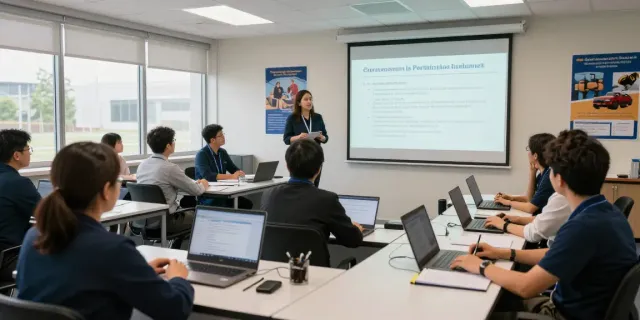
Understanding Career Coaching
Defining Career Coaching
Career coaching is a professional development approach aimed at guiding individuals through various stages of their careers, from choosing the right career path to navigating job transitions. Career coaches provide targeted advice, tailored strategies, and emotional support, drawing on their expertise to help clients identify and achieve their career goals. Effective career coaching is about empowering individuals to take control of their professional journeys and maximize their potential.
The Importance of Career Coaching
As the job market continues to evolve rapidly due to technological advances and changing economic conditions, the need for effective career guidance has never been more critical. Career coaching helps individuals make informed decisions, align their skills with market demands, and cultivate resilience. Career coaching plays a vital role in enhancing job satisfaction, promoting career advancement, and reducing job-related stress.
How Career Coaching Works
The process of career coaching typically begins with an assessment of the client's current situation, including their skills, interests, values, and career aspirations. This is followed by the establishment of clear, achievable goals. Coaches then develop customized action plans that outline the steps necessary to reach those goals. Throughout the coaching journey, clients are encouraged to engage in self-reflection and review their progress regularly, allowing for adjustments and improvements to their plans.
Benefits of Career Coaching
Personalized Career Path Guidance
One of the most significant advantages of career coaching is the personalized attention clients receive. Coaches work closely with individuals to understand their unique circumstances and aspirations. This tailored guidance ensures that clients are not only aware of potential career paths but also well-equipped to pursue them actively. By identifying strengths and potential areas for improvement, career coaches provide valuable insights into the best strategies for success.
Skill Development and Enhancement
Career coaching facilitates continuous learning and skill enhancement, which are vital components of career growth. Coaches often help clients identify relevant skills that are in demand within their industry or desired field. They might also provide resources or recommendations for training programs, workshops, or courses that can enhance these skills, ensuring that clients remain competitive in the marketplace.
Boosting Confidence for Job Seekers
Many individuals struggle with self-doubt during their job search or career changes. Career coaching offers support and encouragement that can significantly boost confidence. Coaches work with clients to reframe negative thoughts, celebrate small victories, and build a positive self-image. This newfound confidence often translates into more effective job applications and interviews, improving overall success rates in securing desired positions.
Choosing the Right Career Coach
Identifying Qualified Coaches
Finding the right career coach can be transformative. Begin by researching potential coaches’ credentials, including certifications, education, and professional backgrounds. Look for indications of success, such as testimonials or case studies from previous clients. A qualified coach will have a proven track record of helping clients achieve their career goals.
Understanding Coaching Specializations
Different coaches may specialize in various areas such as executive coaching, career transitions, or industry-specific coaching. Understanding your needs is crucial for a successful partnership. Identify the type of guidance you seek—be it job search strategies, personal branding, or skills development—and select a coach whose expertise aligns with your specific goals.
Evaluating Coach-Client Compatibility
Establishing a rapport with your career coach is essential for effective coaching. During the initial consultation, assess how well the coach listens to your concerns and understands your aspirations. Compatibility can significantly influence the coaching outcome, so trust your instincts when determining whether a coach feels like a good fit for your unique situation.
Implementing Coaching Strategies
Setting Achievable Career Goals
Effective career coaching involves setting realistic and measurable goals. Work with your coach to define short-term and long-term objectives that reflect your aspirations and the steps needed to achieve them. SMART (Specific, Measurable, Achievable, Relevant, Time-bound) goals can provide a structured approach that makes the path to success clearer and more actionable.
Developing Action Plans
A clear action plan is crucial for bridging the gap between where you are and where you wish to be in your career. Your coach will help you outline specific steps, deadlines, and supportive actions necessary to achieve your goals. This plan serves as a roadmap, allowing you to monitor progress and make course corrections as needed.
Tracking Progress and Making Adjustments
Regular check-ins with your career coach will help you assess how well you’re adhering to your action plan. Tracking progress allows for adjustments to be made based on what is or isn’t working. An adaptive approach fosters growth by embracing setbacks as opportunities for learning and refinement, ensuring that you stay on course toward your career objectives.
FAQs about Career Coaching
What is the typical duration of a career coaching program?
A career coaching program typically lasts from a few weeks to several months, depending on the specific goals and needs of the individual.
How does career coaching differ from counseling?
Career coaching focuses on professional growth and career development, while counseling addresses personal or emotional issues that may affect one’s professional life.
Can career coaching help with job transitions?
Yes, career coaching is specifically designed to assist individuals in effectively navigating job transitions by providing guidance, tools, and emotional support.
What qualifications should I look for in a career coach?
Look for certified professionals with a strong background in career development, relevant experience, and proven success with past clients.
Is career coaching worth the investment?
Investing in career coaching can yield significant returns in terms of job satisfaction, career advancement, and personal growth.