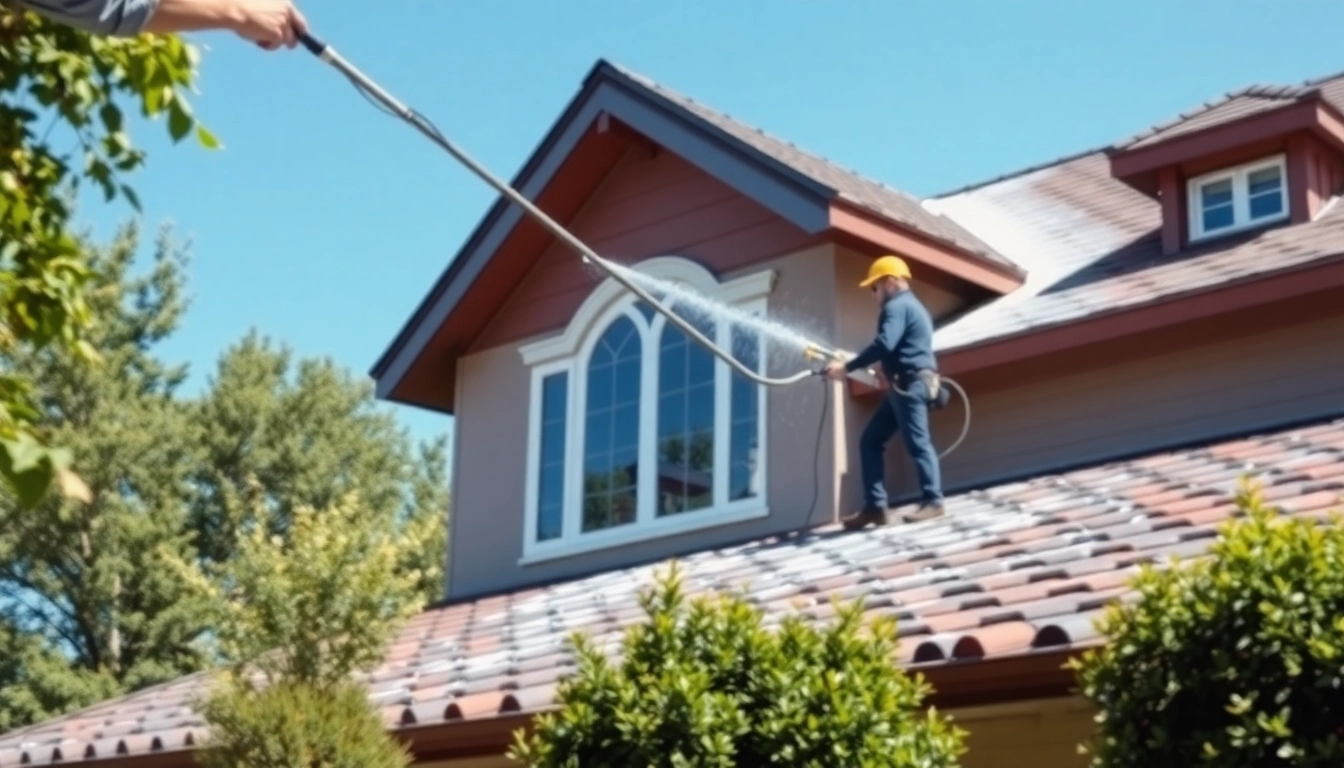
Understanding the Importance of Roof Cleaning
Your roof is one of the most vital components of your home, protecting you from environmental factors while also contributing to the overall aesthetic appeal. Regular Roof Cleaning is essential to maintaining that protection and appearance.
Why Roof Cleaning Matters
Cleaning your roof isn't merely a cosmetic endeavor; it plays a critical role in extending the life of your roof. Accumulated dirt, algae, moss, and other debris can trap moisture, leading to damaging consequences like leaks or even complete roof failure. Regular cleaning helps identify weak spots that might require repairs, ensuring your home remains protected.
Common Roof Contaminants
Several factors contribute to the buildup of contaminants on your roof:
- Algae: Often visible as dark streaks, algae can spread rapidly and degrade roofing materials.
- Moss: This plant retains moisture, which can deteriorate shingles and lead to leaks.
- Lichen: A combination of algae and fungus that can severely damage roofing materials if not removed.
- Debris: Leaves, branches, and other organic matter can provide a breeding ground for pests and promote further moss growth.
Impact of Neglected Roofs
Neglecting roof maintenance can lead to several costly consequences, including:
- Reduced Lifespan: A dirty roof can deteriorate faster than a well-maintained one.
- Increased Energy Bills: Algae and moss can hinder the roof's ability to reflect sunlight, causing HVAC systems to work harder.
- Water Damage: Blocked gutters and unsightly growth can lead to leaks, compromising your home's structure.
Methods of Roof Cleaning
Choosing the right cleaning method is crucial in preserving the integrity of your roof. Each method has its pros and cons, which we will explore below.
Soft Washing vs. Pressure Washing
When it comes to roof cleaning, two primary methods are often debated: soft washing and pressure washing.
- Soft Washing: This method uses low pressure combined with specialized cleaning solutions to kill algae and moss without risking damage to the shingles. It's effective for residential roofs and often considered the safer option.
- Pressure Washing: This technique involves using high-pressure water to remove debris. While effective for hard surfaces, it can damage roofing materials and is not typically recommended for asphalt shingle roofs.
Environmental Considerations
Environmental impacts must also be considered when choosing a cleaning method. Soft washing solutions are usually biodegradable and have less impact on surrounding plants and wildlife. It's essential to use eco-friendly products to avoid harming the ecosystem during the cleaning process.
Choosing the Right Method for Your Roof
The type of roofing material you have will determine the most suitable cleaning method. Here are a few guidelines:
- Asphalt Shingles: Soft washing is the preferred method to prevent deterioration.
- Cedar Shake: Soft washing is also recommended, but cleaning should be less frequent.
- Metal Roofs: Both methods can work, but extreme care must be taken with pressure washing to avoid dents.
Benefits of Professional Roof Cleaning
Hiring professionals for Roof Cleaning can offer several advantages over a DIY approach.
Extending Roof Life
A professional cleaning can significantly extend the life of your roof by removing harmful contaminants and ensuring that no underlying issues go unnoticed. Regular maintenance can add years to a roof's lifespan and save you from expensive replacements.
Improving Home Energy Efficiency
A cleaned roof can reflect sunlight more effectively, reducing energy consumption for cooling your home. When your roofing materials are free from algae and moss, they perform better, leading to lower energy costs.
Enhancing Curb Appeal
First impressions count. A clean roof contributes to the overall appearance of your home, boosting curb appeal and potentially increasing property value. This can be crucial if you're considering selling your home in the future.
DIY Roof Cleaning Tips
If you opt to clean your roof without professional help, it's vital to do so safely and effectively.
Essential Tools Needed
Before starting, gather the necessary tools:
- Ladder
- Soft-bristled broom
- Garden sprayer for cleaning solutions
- Safety gear (gloves, goggles, non-slip shoes)
Step-by-Step Cleaning Guide
- Secure Your Ladder: Always ensure your ladder is stable before climbing.
- Remove Large Debris: Use your broom to clear off leaves and twigs.
- Apply Cleaning Solution: Using a garden sprayer, apply the cleaning solution as per the product instructions.
- Allow Solution to Soak: Let it sit for the recommended time to kill moss and algae.
- Rinse: Use low pressure to rinse off the solution thoroughly.
Safety Precautions to Consider
Be mindful of safety when cleaning your roof. Ensure you have someone with you to hold the ladder, wear protective gear, and avoid cleaning during rainy or windy conditions, which can be hazardous.
Frequently Asked Questions about Roof Cleaning
How often should I clean my roof?
Cleaning your roof every two to three years is generally recommended, depending on your environment and the type of contaminants present.
Are professional roof cleaning services worth it?
Yes, professional services ensure high-quality cleaning and often identify potential roofing issues that a homeowner might miss during a DIY clean.
What are the potential risks of DIY roof cleaning?
Risks include personal injury from ladder falls, damage to roofing materials, and insufficient cleaning, leading to persistent growth.
How to choose the right roof cleaning company?
Look for companies with positive reviews, appropriate certifications, and that use eco-friendly cleaning methods to ensure safety and effectiveness.
Can roof cleaning prevent future damage?
Yes, regular cleaning can help prevent algae, moss, and debris buildup, which can lead to roof damage and premature aging.