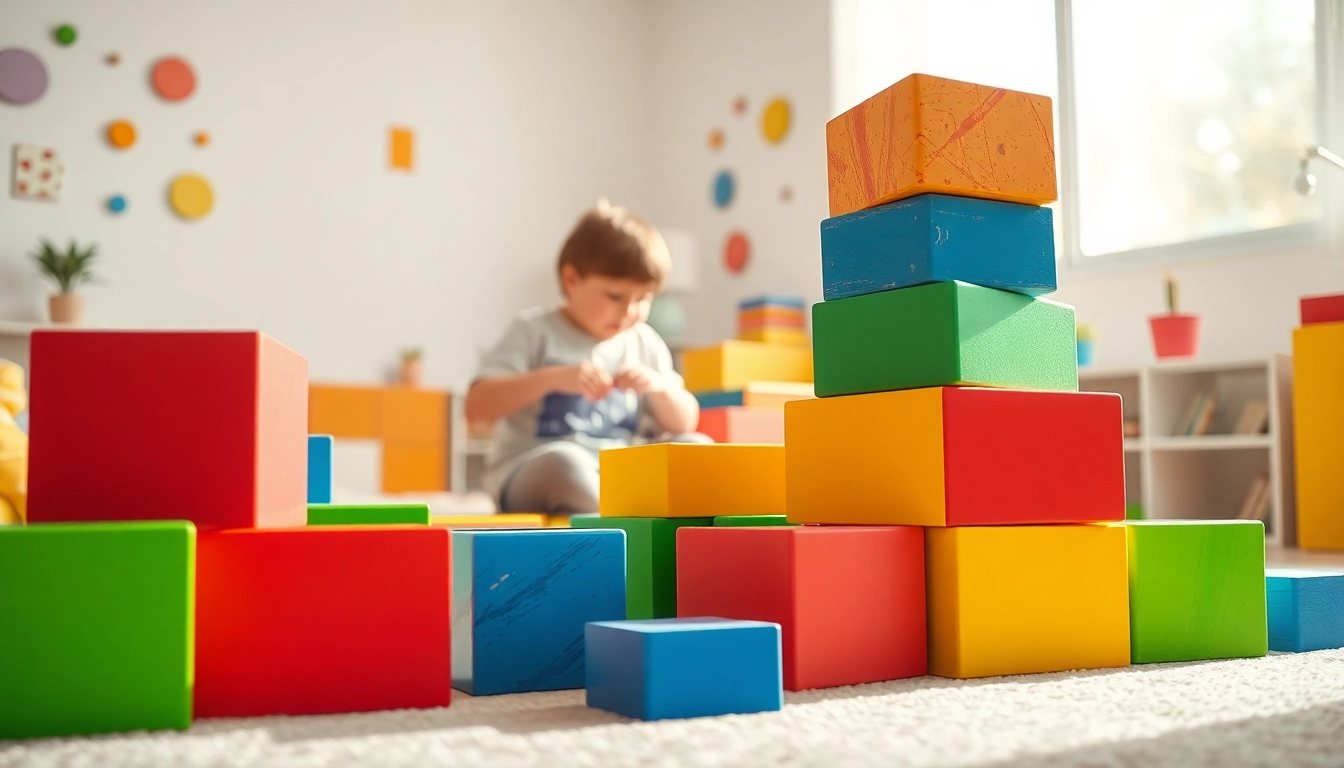
Introduction to Giant Building Blocks
Giant building blocks have become a staple in playful learning environments for children. These oversized, colorful blocks allow kids to unleash their creativity and engage in hands-on exploration. With these simple tools, children can build everything from imaginative structures to intricate designs. To understand the vast benefits of these building blocks and to enhance your child’s playtime experience, discover more about how these blocks can help foster essential skills.
What are Giant Building Blocks?
Giant building blocks are larger-than-life versions of traditional building blocks designed for children of all ages. They are typically made from lightweight yet durable materials like foam, plastic, or wood. These blocks come in various shapes and sizes, allowing for endless building possibilities. They encourage physical activity, creative expression, and cognitive development as children stack, balance, and create structures. Unlike standard-sized building blocks, the larger dimensions make them easier for young children to manipulate, ensuring a safe and fun experience during play.
Benefits of Playing with Building Blocks
Playing with giant building blocks offers numerous benefits that contribute to a child's overall development. Here are some key advantages:
- Physical Development: Manipulating these large blocks enhances fine and gross motor skills, improving hand-eye coordination and strength.
- Cognitive Growth: Building structures requires problem-solving and critical thinking, helping children make decisions about balance, weight distribution, and design.
- Social Skills: When children play together, they learn to communicate, collaborate, and negotiate, which are vital for developing social skills.
- Creativity and Imagination: Building blocks serve as a canvas for imaginative play, allowing kids to invent stories and scenarios around their creations.
Types of Building Blocks Available
The market offers a diverse range of giant building blocks, each catering to different needs and preferences. Here are some popular types:
- Foam Blocks: Lightweight and safe, ideal for young children. They promote active play without the risk of injury.
- Plastic Blocks: Durable and easy to clean, making them suitable for outdoor adventures as well as indoor play.
- Wooden Blocks: Classic in design and construction, they provide a natural aesthetic along with sustainability.
- Magnetic Blocks: Featuring magnets, these blocks allow for unique connections and structures, enhancing the building experience.
Setting Up an Indoor Play Area
Choosing the Right Space for Play
Creating an effective play environment for giant building blocks begins with selecting the right space. Ideally, the area should be large enough to accommodate expansive building projects while offering safety from sharp corners, fragile items, and clutter. Consider a dedicated playroom, living room, or even a spacious garage where your kids can play freely without disruption.
Designing a Fun and Safe Environment
Safety is paramount in any play area. To make it enjoyable:
- Soft Flooring: Use carpets or mats to cushion falls and encourage safe, comfortable play.
- Good Lighting: Ensure the space is well-lit to foster creativity and prevent accidents.
- Organized Space: Keep all toys, including blocks, in designated areas. Use storage bins or shelves to ensure everything has a place.
Incorporating Other Play Elements
To enhance the creative potential of your child’s play area, consider integrating other elements such as:
- Play Mats: These can serve as thematic backdrops for children’s creations, enhancing imaginative play.
- Art Supplies: Provide markers, stickers, and other craft materials for kids to decorate their creations.
- Collaborative Spaces: Incorporate larger tables or soft seating to encourage group projects where children can build together.
Engaging Activities for Children
Creative Building Challenges
Encouraging imaginative challenges can make playtime more exciting and engaging. Here are a few ideas:
- Themed Builds: Set a theme (like castles or vehicles) and challenge your children to construct within those parameters.
- Timed Challenges: Use a timer for a race against the clock to foster a sense of urgency and excitement.
- Team Competitions: Divide into teams and have each team construct a structure, promoting teamwork and collaborative skills.
Storytelling with Blocks
Giant building blocks can be integral to storytelling. Encourage your children to build the settings where their stories will take place. Incorporate elements like:
- Character Creation: Use smaller figures or toys along with the blocks to create characters that interact within their constructed environment.
- Story Maps: Design maps of their stories using the blocks as landmarks to visualize the narrative flow.
Collaborative Play Ideas
Collaborative play nurtures communication and social skills. Here are key activities:
- Group Building Projects: Encourage children to work together on large projects requiring input and cooperation.
- Building with Friends: Inviting friends over not only multiplies ideas but also enhances sharing and taking turns.
Educational Benefits of Building Blocks
Enhancing Motor Skills
The act of stacking, pushing, and balancing large blocks develops both fine and gross motor skills. Children learn to control their movements better, which is crucial not only for building but for other physical activities as they grow.
Promoting Cognitive Development
Building blocks act as practical tools for cognitive development. Kids engage in problem-solving as they decide how to balance blocks and what designs will hold up. Such activities stimulate critical thinking, spatial reasoning, and creativity—skills beneficial for academic success.
Encouraging Social Interaction
Interacting with other children during play promotes social skills. Negotiation, sharing, and teamwork become spontaneously woven into their play. Kids learn how to voice ideas, respect differing viewpoints, and collaborate to achieve common goals.
Choosing the Best Giant Building Blocks
Factors to Consider When Buying
When selecting giant building blocks, consider the following:
- Age Appropriateness: Ensure the blocks are suitable for the child's age, as some materials might be unsafe for younger children.
- Durability: Look for materials that can withstand wear and tear while providing safety during play.
- Size: Consider the size of blocks to be manageable for your child.
Top Brands and Recommendations
While brand discussions can vary, seek manufacturers known for high-quality materials, safety certifications, and positive reviews. Look for certifications such as ASTM or EN71, which indicate adherence to safety standards for children's toys.
Maintenance and Care Tips
Caring for building blocks ensures longevity and safety. Here are some practical tips:
- Regular Cleaning: Wipe blocks with disinfectant wipes or soapy water to maintain hygiene.
- Storage: Store blocks in a cool, dry space away from direct sunlight to prevent warping or fading.
- Inspection: Regularly check for damages or wear and tear, particularly for foam and plastic blocks.
FAQs
What age group are giant building blocks suitable for?
Giant building blocks are typically designed for children aged 2 and up, although supervision is recommended for younger children to ensure safety during play.
How do building blocks enhance motor skills?
Manipulating building blocks helps children develop fine motor skills through grasping and stacking, while also promoting gross motor skills as they move and balance larger blocks.
Are foam blocks safe for young children?
Yes, foam blocks are lightweight and designed to be soft, making them a safe option for young children during play to minimize potential injury.
Can giant building blocks be used outdoors?
Certain giant building blocks made from durable materials are suitable for outdoor play. However, ensure they are cleaned and stored properly after use to maintain their condition.
How can I encourage my child to play with building blocks?
Engage your child by introducing challenges, themed builds, and collaborative projects with friends. Create a fun environment that stimulates creativity and exploration.