Understanding the Basics of Convector Heaters
In the realm of home heating solutions, the electric convector heater stands out due to its efficiency and ease of use. These heaters are ideal for supplementing your main heating system or providing warmth in specific areas of your home. Whether you are looking to warm a bedroom, home office, or any other individual space, understanding the fundamentals of convector heaters is essential for making informed choices.
What is a Convector Heater?
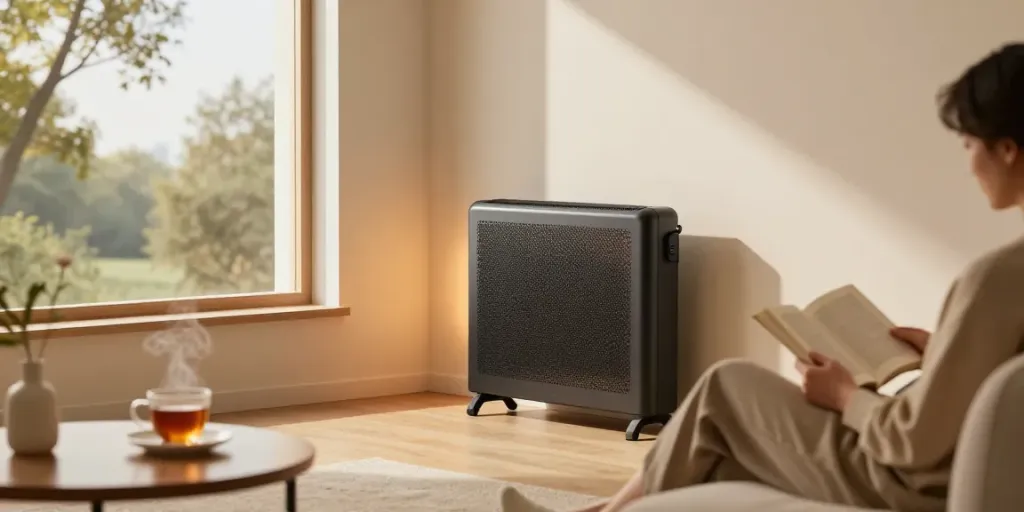
A convector heater is a type of electric heating appliance that utilizes the principle of convection to warm a room. Its design typically includes a heating element within a casing that allows cold air to enter from the bottom, which is then heated and rises through the top. This natural airflow creates a gentle and consistent circulation of warm air, gradually increasing the temperature of the room.
How Do Convector Heaters Work?
The mechanics of a convector heater are relatively simple. Once plugged in, the electric heating element warms up, causing the surrounding air to heat up as well. The warmer air, being less dense, rises to the top, and cooler air is drawn in from the bottom. This cycle continues, leading to an even distribution of heat throughout the room. Some advanced models come equipped with thermostats that automatically adjust the heat output to maintain a desired temperature, enhancing energy efficiency.
Benefits of Using Convector Heaters
- Efficiency: Convector heaters convert almost all the electricity they use into heat, making them highly efficient.
- Space-Saving Options: They come in both wall-mounted and freestanding designs, catering to different room layouts and heating needs.
- Quiet Operation: Most convector heaters operate quietly, making them suitable for bedrooms and offices.
- Easy Installation: Many models are plug-and-play, requiring no complicated setup or installation, which is perfect for renters.
Choosing the Right Convector Heater
When selecting an electric convector heater, it is crucial to consider various factors to ensure it meets your specific needs. Understanding the differences between wall-mounted and freestanding models, the appropriate wattage for your space, and essential features can guide the purchasing decision.
Wall-Mounted vs. Freestanding Models
Choosing between wall-mounted and freestanding convector heaters depends on your heating requirements and space availability. Wall-mounted units are ideal for permanent installations in spaces where you want to save floor space, such as smaller bedrooms or offices. On the other hand, freestanding models offer portability, allowing you to move the heater as needed for different rooms or occasional use.
Wattage: How Much Do You Need?
Determining the correct wattage is vital for effective heating. A general rule of thumb is to provide around 100 watts per square meter of room area, which can vary based on room insulation and ceiling height. For instance, a small bedroom might require a 1000W convector heater, while a larger living room could necessitate a higher wattage.
Essential Features to Look For
When selecting a convector heater, consider features that enhance usability and efficiency. Key features may include:
- Adjustable thermostats for precise temperature control
- Programmable timers to set heating schedules
- Overheat protection systems for safety
- Smart connectivity options for remote operation
Electricity Consumption and Efficiency
Understanding electricity consumption is critical to managing energy costs effectively. Electric convector heaters are typically very efficient; however, several factors influence their running costs.
How Much Electricity Does a Convector Heater Use?
Electricity consumption can be calculated using the formula: Electricity used (kWh) = Heater power (kW) × Running time (hours). For example, a 2000W (or 2kW) heater running for three hours will consume 6 kWh. However, actual consumption may vary based on the thermostat's efficiency.
Factors Affecting Running Costs
Several factors contribute to the overall running costs of a convector heater:
- Rated Power: Higher-rated heaters consume more energy but may heat a space more efficiently.
- Room Size and Insulation: Poorly insulated rooms require more energy to maintain temperature.
- Electricity Tariffs: Utilizing time-of-use tariffs can help manage costs.
Making Smart Choices for Energy Savings
To optimize energy efficiency, consider using timers and programmable features that can prevent unnecessary heating. Adjusting the thermostat by even a few degrees can lead to significant energy savings over time.
Installation and Safety Precautions
Proper installation and adherence to safety guidelines are vital for the safe operation of convector heaters. Here’s an overview of what to keep in mind.
Proper Installation Guidelines
Ensure that your convector heater is installed according to the manufacturer’s instructions. For wall-mounted units, installation should allow for at least 30 cm of clearance from the ceiling and 50 cm from surrounding objects to prevent obstruction.
Safety Measures for Convector Heaters
To maintain safety, follow these guidelines:
- Never cover the heater while in use, as this can lead to overheating.
- Keep flammable materials away from the heater.
- Always plug the heater directly into a wall socket rather than using extension cords.
Common Misconceptions About Heater Use
Many consumers believe that all electric heaters are equally energy-efficient. It's important to choose models with advanced thermostats and programmable features to ensure optimal performance and energy savings.
Advanced Features and Smart Technologies
As technology evolves, so do the features of electric convector heaters. Many modern models now include smart technology for enhanced usability.
Smart Wi-Fi and Voice Control Functions
Many new convector heaters are equipped with Wi-Fi connectivity that allows users to control heating remotely via smartphone applications. Voice-activated control through smart home systems adds another layer of convenience.
Programmable Timers and Custom Schedules
These features allow you to program your heater to operate only when needed, further reducing energy consumption and costs. Setting a schedule ensures that the heater operates efficiently during peak usage times.
Future Trends in Convector Heater Technology
The future of convector heaters looks promising with advancements in smart grid technology and renewable energy integration. Expect to see more efficient appliances that use less energy while providing the same level of comfort.
Can a Convector Heater be a Primary Heat Source?
In well-insulated homes, convector heaters can effectively serve as the primary heat source, especially in urban settings where central heating may not be available. This makes them a practical choice for apartments and smaller living spaces.
Advantages for Different Living Spaces
Convector heaters are versatile and can be used in various environments:
- Ideal for bedrooms where quiet and consistent heating is essential.
- Perfect for home offices needing supplementary heating during colder months.
- Great for guest rooms that are not frequently used, allowing for cost-effective heating only when occupied.
Common Questions About Convector Heater Usage
- Does a higher-wattage heater always cost more? Not necessarily; while higher wattage can mean higher energy consumption, efficiency and usage patterns play a significant role.
- Can I use more than one convector heater in my home? Yes, especially in larger spaces where different rooms may require varying heating levels.
- Are there safety features I should look for? Yes, look for heaters with overheat protection, timers, and tip-over switches for added safety.