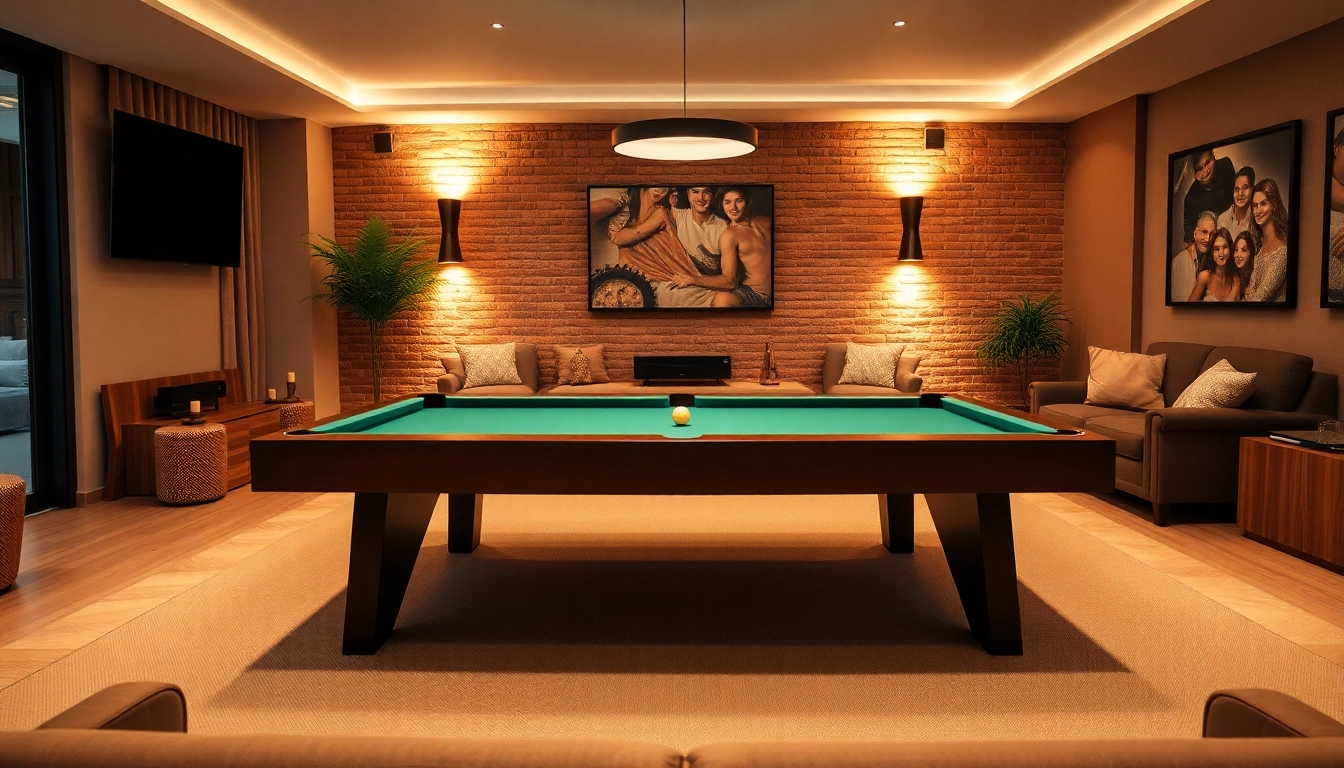
Choosing the Right Pool Table for Your Space
Investing in a pool table is a significant decision that enhances entertainment in your home. When considering this purchase, it’s essential to choose the right table that fits your available space while reflecting your personal style. To ensure a satisfying experience, join us as we explore key considerations, from dimensions to budget, that will help you Buy Pool Tables suited to your needs.
Understand Your Space's Dimensions
Before purchasing a pool table, measuring your space is crucial. Most residential tables come in various sizes, generally—including 7-foot, 8-foot, and 9-foot models. Keep in mind that a larger table can enhance the playing experience, but less space may limit your options.
To determine the right size, take these steps:
- Measure the Room: Ensure you allow at least five feet of clearance around the table for players to move and play comfortably.
- Consider the Room’s Layout: Account for furniture and other obstructions that might hinder gameplay.
For example, an 8-foot table needs around 16 feet by 12 feet of space for optimal play. Conversely, a 7-foot table may work well in tighter areas where an 8-foot table would be cumbersome.
Evaluate Your Budget Options
Your budget will significantly influence your choice of pool table. Pricing can vary widely based on size, material, brand, and additional features. It's vital to develop a comprehensive budget that includes:
- Cost of the Table: Depending on quality, prices can range from several hundred to thousands of dollars.
- Delivery and Installation Fees: These costs can add significantly to your total expenditure.
- Accessories: Don’t forget to budget for cues, balls, and maintenance items.
Determine your maximum price point while being open to different types and styles that fit within your budget, ensuring you don’t overspend.
Consider Table Types and Materials
Pool tables come in various types and materials, and understanding these can guide you to make a well-informed purchase. Some common types include:
- Slate Tables: Generally regarded as the gold standard due to their durability and superior playing surface.
- MDF or Wood-Faced Tables: These are lighter and more affordable but may not provide the best playability.
- Convertible Tables: These can be transformed into a dining or gaming table and are ideal for shared spaces.
Each type has its pros and cons, and choosing the right one for your space and intended use is essential to enjoy your billiards experience fully.
Benefits of Owning a Pool Table
Owning a pool table comes with an array of benefits that go beyond mere entertainment. Here, we delve into how a pool table can create not just leisure but also foster social interactions and enhance home aesthetics.
Enhancing Social Interactions at Home
One of the best aspects of having a pool table is its ability to bring people together. It acts as a central piece for entertainment, inviting friends and family to socialize. A friendly game can break the ice in gatherings, promoting camaraderie and fun, especially during parties or family game nights.
Boosting Cognitive Skills and Coordination
Playing pool isn’t just a leisure activity; it’s a great way to enhance cognitive skills and physical coordination. Players must think strategically, fine-tune their motor skills, and develop precision in their shots. Regular play can improve concentration, problem-solving abilities, and even mathematical skills such as angles and trajectories.
Creating a Relaxing Retreat
A pool table can transform any room into a relaxing retreat. By setting up a specific space dedicated to billiards, homeowners can enjoy a break from their daily routines. This area can serve as a sanctuary to unwind, offering a tranquil environment where one can engage in friendly competition or relax between games.
Maintenance Tips for Pool Tables
To ensure longevity and optimal performance from your pool table, regular maintenance is critical. Proper care not only preserves the table's aesthetics but also saves money on potential repairs down the line.
Regular Cleaning and Care Practices
A routine cleaning regimen is essential for maintaining your pool table:
- Brush the Felt: Use a brush specifically designed for pool tables to remove dust and debris.
- Wipe Down the Wood: A damp cloth with a mild cleaner can be used to cleanse the wooden parts without damaging the surface.
- Avoid Food and Drinks: Keeping food and drinks away from the table helps to prevent stains and damage.
Regular maintenance not only protects the pool table but also enhances its visual appeal, ensuring it remains a striking centerpiece in your game room.
Handling Repairs and Professional Servicing
Despite proper care, issues may arise over time. Here’s how to handle repairs:
- Identify the Issue Early: Regularly inspect the felt, pockets, and frame for any wear and tear.
- Seek Professional Help: For serious damages, hiring a professional is essential. Trying to repair major issues yourself could worsen the damage.
- Routine Refelting: Consider having your table refelted every few years, depending on usage.
Selecting the Right Accessories for Longevity
The longevity of your table is heavily influenced by the accessories you choose. Quality balls and cues can enhance play and protect your surface. Consider investing in:
- High-Quality Cues: A well-crafted cue stick can vastly improve your playing technique.
- Table Covers: A cover prevents dust accumulation and protects the felt from sunlight and spills.
- Triangle and Racks: Opt for sturdy materials to maintain good table integrity.
Where to Buy Pool Tables: Navigating the Market
As you prepare to purchase a pool table, understanding your options is crucial. Whether buying online or through physical retailers, knowing where to look can significantly affect your shopping experience.
Online vs. Physical Store Purchasing
Both online and physical stores have unique advantages:
- Online Purchasing: Access to a broader selection, competitive prices, and home delivery options.
- Physical Stores: The ability to see and feel the product, speak with salespeople, and often experience on-site assembly.
Weigh the pros and cons of each method based on personal preferences and convenience before making your choice.
Finding Distributors and Retailers Near You
If you choose to shop locally, consider utilizing online tools to locate nearby distributors specializing in pool tables. These stores often carry both new and used options, providing a range of selections.
Check local listings and online maps for the best-rated retailers, ensuring you read customer reviews.
Evaluating Customer Reviews and Warranties
Before finalizing a purchase, evaluating customer reviews and understanding warranty options are essential.
- Read Reviews: Reviews provide insight into the quality of the product and the retailer’s customer service. Look for patterns in customer feedback.
- Understand Warranties: Ensure comprehensive coverage for the table and its components, especially if you’re making a significant investment.
Frequently Asked Questions About Buying Pool Tables
What size pool table should I buy?
Generally, an 8-foot table is considered a more professional size, while a 7-foot table fits smaller spaces better. Ensure ample clearance around the table for comfortable play.
How much should I expect to spend?
Budgeting for a pool table can range from a few hundred to several thousand dollars, depending on size, material, and brand. Factor in additional costs like delivery and accessories.
Can I customize my pool table?
Yes, many retailers offer customization options. You can often select finishes, felt colors, and additional features to create a unique table that suits your style.
What accessories do I need to purchase?
Basic accessories include cues, balls, chalk, and a quality cover. Consider getting a triangle for racking balls and cleaning supplies for proper maintenance.
How can I maintain my pool table effectively?
Regular cleaning, avoiding food and drink near the table, and periodic professional service for repairs are essential for maintaining a pool table effectively.