Understanding the Importance of Skill Development
In today's rapidly changing job market, skill development is not just beneficial; it's essential for career success. Individuals in South Texas face unique challenges and opportunities, making it vital to invest in personal and professional growth. By focusing on enhancing your skills, you position yourself to adapt to new technologies and market demands, ultimately increasing your employability and earning potential. To begin this journey effectively, it helps to explore how skill development can lead to a brighter future. To truly build your future south texas, understanding and investing in skill development is crucial.
Why Skill Development Matters
Skill development is critical for reaching your professional goals and making progress in your career. In South Texas, the economy is evolving with growing industries such as healthcare, technology, and renewable energy. By focusing on skill development, you are preparing yourself to meet the demands of these sectors. It empowers you to remain competitive and opens doors to new opportunities that you may have thought were unattainable.
Moreover, enhancing your skill set helps you build confidence. When you acquire new skills, you not only become more knowledgeable but also feel more capable of tackling complex challenges. This increased confidence often translates into improved job performance and further professional advancements.
Key Skills for Success in South Texas
Identifying the skills that are most relevant to your career goals is essential. Here are some key skills that can significantly impact your success in South Texas:
- Communication Skills: The ability to clearly articulate ideas and concepts is invaluable in any job. Employers highly value candidates who can communicate effectively within teams and with clients.
- Technical Skills: Proficiency in technology and tools specific to your field is crucial. Whether it's software knowledge, data analysis, or using specialized machinery, technical skills are often essential to your success.
- Problem-Solving Skills: Employers seek individuals who can think critically and creatively to overcome obstacles. Your ability to analyze issues and implement effective solutions will set you apart.
- Adaptability: The job market is constantly evolving. Being adaptable allows you to adjust quickly to changes and seize new opportunities as they arise.
- Networking: Building and maintaining professional relationships can lead to career advancements. Networking is key to tapping into a wealth of opportunities in South Texas.
Identifying Personal Growth Opportunities
Self-assessment is the first step towards identifying personal growth opportunities. Consider conducting a SWOT analysis (Strengths, Weaknesses, Opportunities, Threats) to understand where you currently stand in your career.
Additionally, seek out feedback from peers and mentors. They can provide insights into your strengths and areas that may require improvement. Look into training and certification programs relevant to your field to fill any gaps in your skillset.
Educational Resources and Training Programs
Local Institutions Offering Training
South Texas is home to various educational institutions that offer extensive training programs. Community colleges and universities provide courses tailored to the current job market needs.
Many institutions, such as vocational schools and trade colleges, focus specifically on skills that are in demand, helping to ensure their graduates are job-ready. Consider exploring programs offered in fields such as healthcare, information technology, trades, or business management.
Online Learning Platforms
In addition to local offerings, online learning platforms have become increasingly popular for skill development. Websites like Coursera, Udemy, and LinkedIn Learning provide flexible opportunities for learners to gain knowledge and skills at their own pace.
These platforms offer a wide range of courses, from fundamental skills to advanced topics, making it easy to find a course that fits your needs and career aspirations.
Workshops and Seminars in South Texas
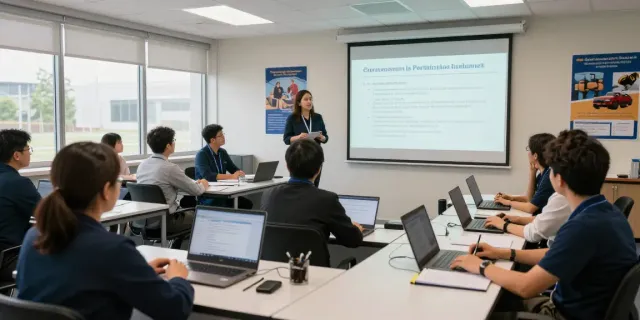
Participating in workshops and seminars can provide hands-on experience and direct interaction with industry professionals. Check local community boards or online event portals for upcoming events in your area. Networking with speakers and attendees can also lead to valuable connections that may help you on your career journey.
Many organizations frequently host career-related events that focus on various skills, bridging the gap between rigorous training and real-world application. Engage actively to gain maximum benefits.
Navigating Career Opportunities in South Texas
Current Job Market Trends
Understanding the current job market trends in South Texas is essential for making informed career decisions. Recent data suggests a growing demand for skilled professionals in several key industries, including healthcare, logistics, technology, and renewable energy.
Stay informed about which sectors are expanding and what specific skills are required. Reports from local businesses and labor market analysis can help you predict which roles are likely to be in demand, guiding you in your job search.
Networking in the Local Community
Building a professional network in South Texas can significantly enhance your career prospects. Utilize local networking opportunities such as industry conferences, job fairs, and alumni events. Joining professional organizations related to your field can also provide access to exclusive networking events and resources.
Moreover, don’t underestimate the power of informal networking through community events, volunteer opportunities, and local meetups. Cultivating relationships with others in your field can open doors to career advancements and collaborations.
Finding Mentorship and Guidance
A mentor can provide invaluable insights and guidance as you navigate your career path. Finding a mentor who has experience in your desired field can offer you advice on overcoming obstacles and achieving your goals.
Seek out mentorship programs through local educational institutions, professional associations, or community organizations. Engaging with individuals who have already achieved success in your field can offer perspective and foster growth through shared experiences.
Developing a Personal Brand
The Role of Online Presence
In today’s digital age, building an online presence is vital for creating a strong personal brand. Platforms like LinkedIn, personal websites, and professional social media profiles can showcase your skills, accomplishments, and expertise.
Consider sharing industry-related content and insights to enhance your visibility and credibility. Consistently updating your profiles can help you stay relevant and attract opportunities from potential employers.
Crafting Your Resume and Portfolio
Your resume and portfolio are extensions of your personal brand. Clearly articulate your skills, experience, and achievements, tailoring them to match the roles you are applying for.
Include projects and accomplishments that demonstrate your skills, and consider using metrics to quantify your impact. A well-crafted portfolio that displays the breadth and depth of your work can set you apart from other candidates.
Leveraging Social Media for Career Advancement
Social media can be a powerful tool for career advancement. Engaging with industry-related content and discussions can position you as a thought leader in your field.
Be strategic about the platforms you choose to engage on, ensuring they align with your career goals. Use these platforms not just for networking but also for learning and professional development by subscribing to relevant groups and forum discussions.
Measuring Success and Setting Long-Term Goals
Key Performance Indicators for Personal Growth
Establishing KPIs is critical to measuring your personal growth. Set specific, measurable, achievable, relevant, and time-bound (SMART) goals that align with your career aspirations.
Regularly assess your progress against these indicators to understand how well you are advancing toward your goals. This will also help you identify areas that need more focus or adjustment.
Setting Achievable Milestones
Breaking down your long-term goals into smaller, manageable milestones can help you stay motivated and on track. Each milestone should represent a step towards achieving a larger objective.
Celebrate your achievements along the way, no matter how small, and use these moments to recharge your motivation for continued growth.
Adjusting Goals Based on Progress
flexibility is key when it comes to goal setting. Regularly review your goals and adjust them as necessary based on your progress and changes in your personal or professional circumstances.
Be open to redefining your goals when new opportunities arise or when you reassess your interests and aspirations. Adapting your goals ensures that they remain relevant and motivating throughout your career journey.
FAQs:
What are the key skills to build my future in South Texas?
The key skills include communication, problem-solving, and technical skills relevant to your field.
Are there free training programs available?
Yes, many local organizations and online platforms offer free or low-cost training programs.
How can I network effectively in South Texas?
Attend local events, join professional groups, and use social media to connect with others in your field.
What role does personal branding play in career development?
A strong personal brand highlights your skills and values, making you more attractive to potential employers.
How do I set realistic goals for my career?
Assess your current skills, research industry standards, and break your long-term goals into smaller, achievable milestones.