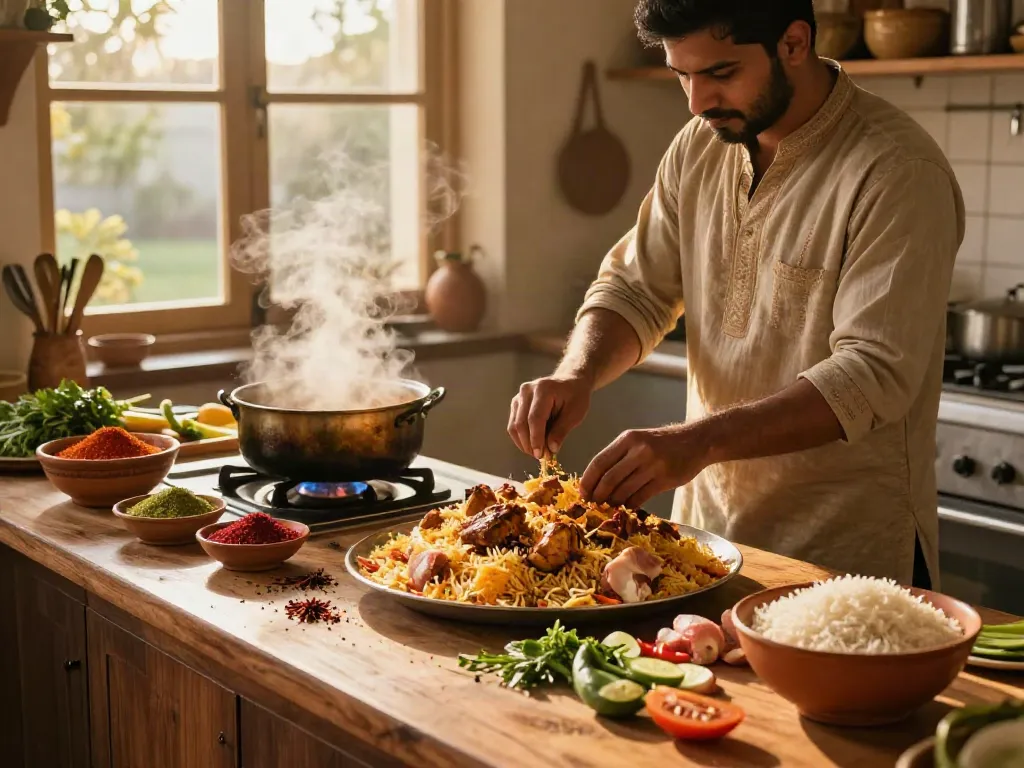
Understanding Authentic Biryani
Biryani is more than just a dish; it embodies a rich history, a blend of cultures, and a celebration of flavors that have evolved over centuries. The quest for the Best and authentic biryani has led culinary enthusiasts to explore the intricacies of this cherished meal. From its origins to the countless regional variations available today, biryani is a testament to culinary innovation and cultural significance.
What Defines Best and Authentic Biryani?
The essence of authentic biryani lies in its balance of flavors, the quality of ingredients, and the meticulous cooking techniques employed. Authentic biryani is characterized by its aromatic basmati rice cooked with marinated meat, infused with spices and layered rather than mixed, allowing each grain to retain its individual flavor. The use of slow cooking methods ensures that every bite is a burst of taste, while the perfect layering technique creates a dish that is visually appealing and delicious.
Historical Origins and Evolution of Biryani
Biryani has a rich historical background that traces its roots to the royal kitchens of Persia. The word "biryani" comes from the Persian term "birian," meaning "fried before cooking," which reflects the early methods of cooking meats. The dish made its way to India through the Mughal Empire, where it adapted to local ingredients and culinary techniques, leading to the diverse varieties we see today, especially in Pakistan. Today, biryani is a staple in South Asian cuisine and has garnered global recognition for its complexity and flavor.
Regional Variations in Pakistani Biryani
Pakistan boasts an array of biryani styles, each representing the unique culinary traditions of its regions. Karachi biryani, known for its spicy flavor and generous use of potatoes, contrasts with the milder Sindhi biryani. Lahore biryani is distinguished by its richer flavor profile and the addition of saffron, while Hyderabadi biryani is celebrated for its strong spices and cooking style that incorporates layering and dum (steam cooking). Exploring these variations not only highlights the dish's versatility but also showcases the regional pride associated with biryani preparations.
Ingredients for Perfect Biryani
Creating the best biryani involves selecting the right ingredients that enhance its flavor and texture. Essential components include high-quality basmati rice, fresh meat, and a carefully curated blend of spices.
Essential Ingredients for Best and Authentic Biryani
The foundation of biryani comprises these key ingredients:
- Basmati rice: Known for its long grains and aromatic qualities, it is essential for a fluffy biryani.
- Meat: Chicken is commonly used, but mutton and beef variations are equally popular.
- Spices: A blend of whole spices (like cardamom, cloves, and cinnamon) and ground spices (like turmeric and chili) is necessary to impart depth of flavor.
- Aromatics: Onions, garlic, and ginger form the base of the biryani masala.
- Yogurt: This helps tenderize the meat while adding creaminess to the dish.
- Fresh herbs: Mint and cilantro provide freshness and color.
Choosing the Right Spices for Flavor
The spice mix is crucial; it can make or break the biryani. A combination of spices like cumin, coriander, and garam masala should be tailored to your taste. For a more authentic flavor, consider using homemade biryani masala, which allows for control over the individual spice ratios.
Quality Rice: A Key to Success
Choosing the right rice is critical for achieving the desired texture. Basmati rice should be aged, which enhances its aroma and prevents stickiness when cooking. Soaking the rice for about 30 minutes before cooking can also ensure that it cooks evenly and maintains its length.
Step-by-Step Guide to Cooking Biryani
Making biryani can be straightforward if you follow a structured approach. Below is a step-by-step guide to creating a delicious pot of biryani that will impress your family and friends.
Preparing the Chicken and Masala
Begin by marinating the chicken with yogurt, ginger-garlic paste, and spices. Allow it to rest for at least 30 minutes to absorb the flavors. Meanwhile, prepare your biryani masala using fresh spices, or opt for a quality pre-made mix if time is an issue.
Layering Ingredients for Optimal Taste
The layering technique is essential for even distribution of flavors. In a heavy-bottomed pot, start with a layer of the marinated chicken, followed by a layer of parboiled rice. Alternate layers until all ingredients are used, ensuring that the top layer is rice.
Cooking Techniques: The Art of Dum
Cooking biryani on dum involves sealing the pot to trap steam, allowing the flavors to meld. Use a tight-fitting lid and cook on low heat for 25-30 minutes. This method ensures that the rice absorbs moisture while the meat becomes tender.
Common Mistakes and How to Avoid Them
Even the simplest of recipes can lead to mishaps without proper attention to detail. Here are some common mistakes to avoid when cooking biryani.
Overcooking vs. Undercooking Rice
Overcooking can lead to mushy rice, while undercooked rice can be hard. The key is to parboil the rice just until it's 70% cooked before layering it with the chicken. A consistent eye on the cooking process can make a world of difference.
Balancing Spice Levels for All Tastes
Finding the right balance of spice is essential for pleasing everyone at the table. Adjust the spices according to your preferences, but remember to account for stronger flavors introduced during the cooking process.
Proper Storage and Reheating Tips
To maintain the quality of your biryani, store it in an airtight container in the refrigerator. Reheat gently, adding a splash of water to prevent drying out. Avoid reheating multiple times to preserve flavor and texture.
Future Trends in Biryani Recipes
As culinary preferences evolve, so do the recipes for biryani. Here are some emerging trends that are shaping the future of this classic dish.
Healthier Substitutions for Modern Eaters
With increasing awareness of health, many are seeking healthier alternatives. Using brown rice instead of white rice can add nutrients, while fresh vegetables can be incorporated for added fiber. Reducing oil quantities or opting for heart-healthy options can also help cater to modern health-conscious eaters.
The Rise of Vegan and Vegetarian Biryanis
With more people adopting plant-based diets, vegan biryani has become popular. Utilizing vegetables, legumes, or tofu can create a wholesome alternative without sacrificing flavor.
Innovative Cooking Methods for 2026 and Beyond
As technology advances, cooking methods are evolving as well. Pressure cooking and air frying are gaining traction as quicker alternatives to traditional methods, promising a delicious biryani in a fraction of the time.
Common Queries About Biryani
Here are some frequently asked questions regarding biryani that can help clarify common doubts:
What are the key characteristics of authentic biryani?
Authentic biryani should ideally have distinct layers of rice and meat, a rich aroma, and a perfect balance of spices without overwhelming heat.
Which region in Pakistan has the best biryani?
This is subjective and often debated, but Karachi's biryani is globally recognized for its unique flavor and the use of potatoes, considered a local favorite.
How can I make biryani less spicy?
To reduce spice levels, use fewer whole spices and adjust the chili powder amount. Adding yogurt can also mellow down the flavors.
What’s the ideal rice-to-chicken ratio for biryani?
A common ratio is 1:2 (rice to chicken), which ensures well-balanced portions without overwhelming the dish with too much meat.
Can I prepare biryani in a pressure cooker?
Yes, biryani can be made in a pressure cooker by careful adjustments to the water and cooking time, allowing for quick preparation while maintaining flavor.