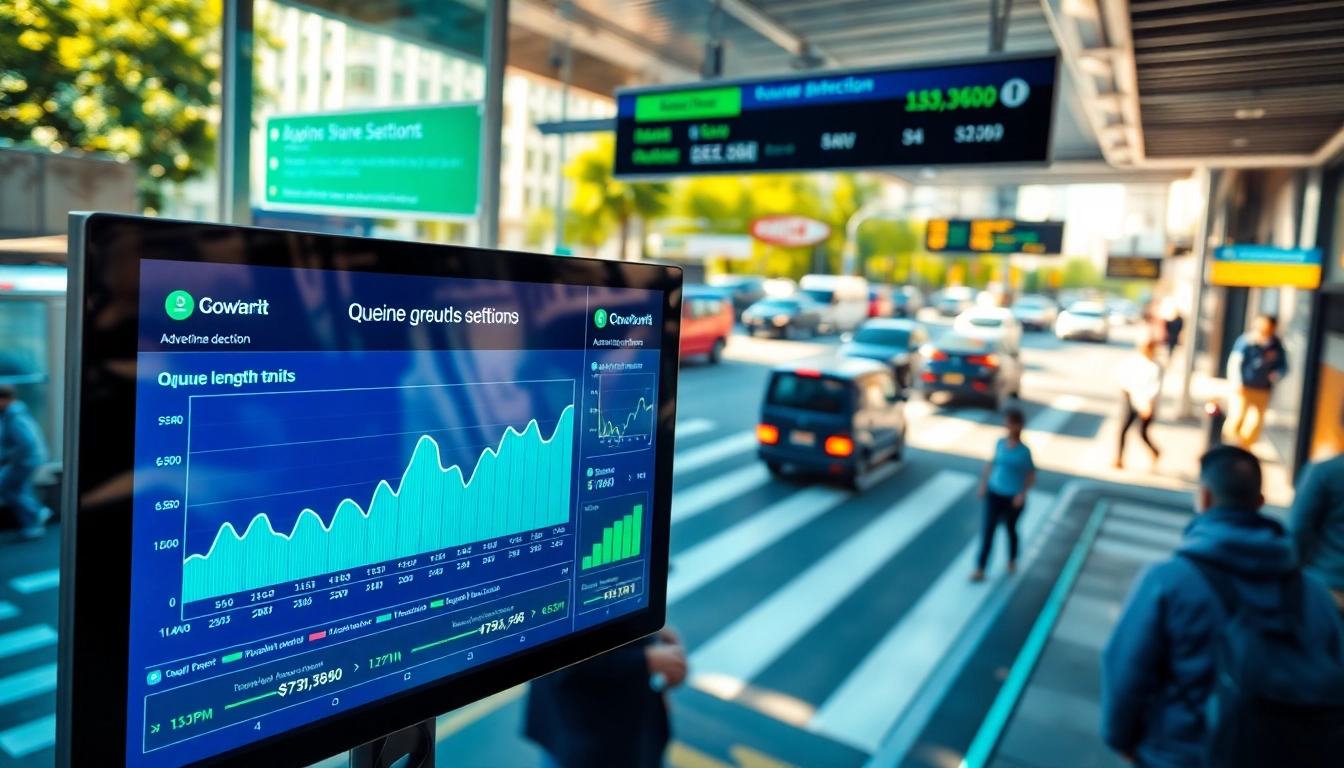
Understanding Queue Detection Software
What is Queue Detection Software?
Queue detection software is an advanced technology designed to monitor and manage queues in various environments. Utilizing sophisticated algorithms and data analytics, it can assess queue length, wait times, and customer patterns—providing invaluable insights for businesses and operations. By leveraging real-time data, it helps optimize resource allocation, enhance customer experience, and improve overall operational efficiency. Such technology is especially relevant in busy retail locations, transportation hubs, and service-oriented industries, where managing customer flow is crucial for success. Implementing queue detection software can lead to significant reductions in waiting times and improved service delivery.
How Queue Detection Software Works
At its core, queue detection software employs various methodologies such as video analytics, sensor technology, and artificial intelligence to monitor and analyze queues in real time. Through video feeds from strategically placed cameras, the software captures data on customer movements and behaviors. The images are analyzed using computer vision techniques to determine the number of individuals in line, as well as the duration of their wait.
Furthermore, many systems incorporate machine learning algorithms that refine their detection capabilities over time. As the system processes more data, it becomes better at predicting congestion points and potential delays. This predictive capability allows organizations to proactively manage staffing and resources based on anticipated traffic flows, ultimately optimizing the customer experience.
Key Benefits of Implementing Queue Detection Software
- Enhanced Customer Satisfaction: By reducing wait times and streamlining service, customers are more likely to have positive experiences.
- Real-Time Insights: Organizations gain access to valuable metrics such as peak wait times and customer traffic patterns, allowing for informed decision-making.
- Resource Optimization: Businesses can allocate staff based on real-time data, ensuring sufficient personnel during peak times without overscheduling during quiet periods.
- Reduction in Operational Costs: Efficient queue management can lead to lower operational costs due to enhanced resource utilization.
- Improved Data Analytics: The data gathered helps in understanding customer preferences and behavior, leading to better strategic planning and marketing efforts.
Common Applications of Queue Detection Software
Queue Management in Retail Environments
In retail environments, queue detection software is vital for enhancing the shopping experience. By monitoring customer flow in real time, retailers can identify peak hours and adjust staffing accordingly. For instance, if a store realizes that a significant number of customers are waiting during specific times, it can bring in additional cashiers to alleviate congestion. Moreover, this software can help in understanding customer behavior—enabling retailers to optimize product placement and promotions to encourage quicker transactions.
Traffic Management Solutions with Queue Detection Software
Queue detection software is also instrumental in traffic management. It helps to monitor congestion on roadways and at traffic signals. Sensors and cameras integrated with the software can detect traffic flow, measure queue lengths, and identify bottleneck areas. This data can be used by local governments to adapt traffic signal timings and implement variables like warning signs to redirect traffic when congestion occurs. As a result, it not only improves traffic flow but also enhances safety for both drivers and pedestrians.
Case Studies of Successful Implementations
Numerous organizations have successfully implemented queue detection software with measurable results. For example, a major convenience store chain implemented such a system across its outlets and reported a 30% increase in customer satisfaction due to reduced wait times. Similarly, an airport utilized queue detection technology to monitor passenger flows through security and discovered that adjusting staffing led to a 25% reduction in average wait times. These examples illustrate the transformative potential of effective queue management.
Challenges and Considerations
Limitations of Queue Detection Software
While queue detection software offers numerous advantages, it also comes with certain limitations. One significant challenge is the integration with existing systems. Organizations may face difficulties in ensuring that new queue detection software aligns with their current technologies. Furthermore, the reliability of the software depends on the quality of the hardware—like cameras and sensors. Inadequate or outdated equipment can hinder the effectiveness of the system.
Overcoming Implementation Challenges
To overcome these challenges, it is essential to conduct thorough research during the selection process of the queue detection software. Companies should assess compatibility with current systems and consider hardware upgrades if necessary. Additionally, involving stakeholders from multiple departments during the implementation phase can lead to a more streamlined process and foster broader acceptance of the new technology.
Data Privacy and Security Concerns
Data privacy is a growing concern in the implementation of queue detection software. Organizations must ensure compliance with relevant regulations, such as GDPR or CCPA, that govern the use of personal data. This includes developing protocols for data usage, storage, and sharing. Engaging with legal and compliance teams during the planning stages can help in crafting policies that mitigate the risks related to data usage while still reaping the benefits of the technology.
Best Practices for Using Queue Detection Software
Choosing the Right Queue Detection Software
Selecting the right queue detection software involves evaluating various options based on features, scalability, and integration capabilities. It's essential to consider a system that balances advanced technological capabilities with ease of use. Organizations should seek software that provides comprehensive analytics and reporting features, enabling better insights into operations and customer behavior.
Integrating Queue Detection with Existing Systems
Careful planning is necessary for seamless integration of queue detection software with existing systems. Organizations should conduct a compatibility assessment and possibly seek vendors that provide support during the integration process. Training staff on how to use the new software will also facilitate smoother transitions and encourage user adoption.
Monitoring and Analyzing Performance Metrics
Once the queue detection software is implemented, continuous monitoring and analysis of performance metrics are crucial. Organizations should establish key performance indicators (KPIs) that align with their business objectives, such as average wait time, peak traffic periods, and customer satisfaction levels. Regularly reviewing these metrics can help organizations make data-driven decisions to improve operations further.
Future Trends in Queue Detection Software
Advancements in Technology Driving Change
The future of queue detection software is poised for significant advancements, particularly with the integration of Artificial Intelligence (AI) and machine learning. These technologies will enhance the predictive capabilities of queue management systems, enabling even more efficient resource allocation and customer service strategies. Emerging technologies like 5G will likely facilitate faster data transmission, further enriching real-time analysis and decision-making.
The Role of AI and Machine Learning
AI and machine learning will continue to evolve queue detection software, allowing for greater adaptability and accuracy. With the ability to analyze patterns and predict traffic flows based on historical data, these systems can forecast customer behavior more effectively. Such innovations will enable organizations to enhance customer experiences by proactively addressing congestion and wait times.
Predicted Evolutions in Queue Management
As consumer expectations continue to rise, queue management systems are expected to evolve in alignment with broader digital transformation trends. Technologies such as mobile apps for queue management, virtual waiting rooms, and gamified experiences may become more prevalent. These advancements will not only optimize queue management practices but also enhance customer engagement and satisfaction.
Frequently Asked Questions
1. What industries benefit from queue detection software?
Industries such as retail, transportation, healthcare, and entertainment significantly benefit from queue detection software by optimizing customer flow and enhancing service delivery.
2. How does queue detection software improve efficiency?
It improves efficiency by providing real-time data for resource allocation, reducing wait times, and helping businesses adapt to customer traffic patterns.
3. Is data privacy a concern with queue detection systems?
Yes, data privacy is a concern, and organizations must comply with regulations regarding personal data usage and ensure that customer information is handled securely.
4. Can queue detection software be integrated with existing technologies?
Yes, most queue detection software solutions are designed to integrate with existing technologies, but careful planning and assessment are required for a seamless transition.
5. What future trends can we expect in queue management?
Future trends include increased use of AI, mobile applications for queue management, advanced data analytics, and enhanced customer engagement through innovative technologies.