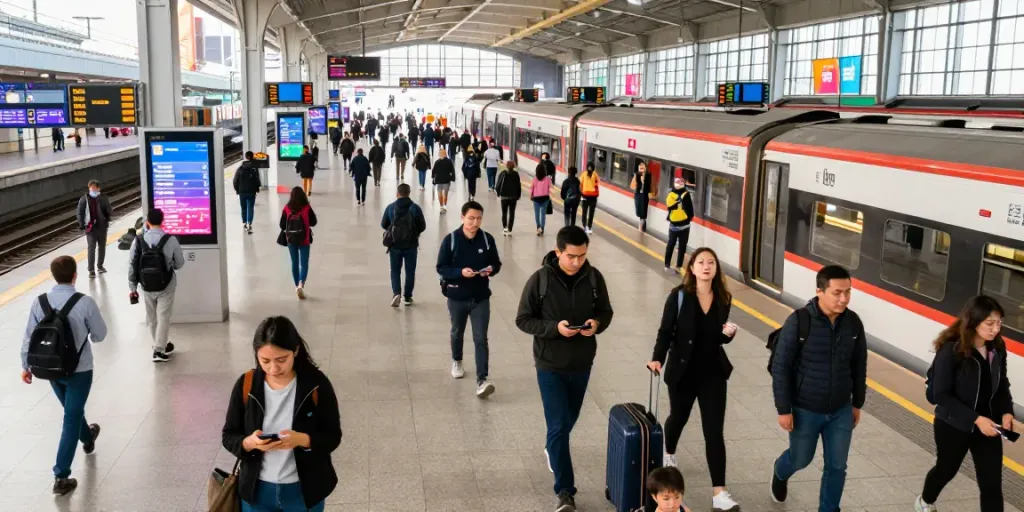
Understanding Transport Delays: Causes and Impacts
Transport delays can significantly affect our daily routines, making life chaotic for commuters across various modes of public transportation, including trains, buses, and metros. In 2026, understanding the intricacies of these delays is more critical than ever, as urban populations continue to grow and the demand for efficient transport systems increases. With advancements in technology and data analytics, commuters can now access real-time updates and notifications about transport delays, allowing them to adapt their travel plans accordingly. This article will delve into the causes of transport delays, their impacts, and how to navigate these challenges effectively.
What Are Transport Delays?
Transport delays refer to any interruption or slowdown in the expected timeliness of transportation services. These delays can occur due to various factors, including mechanical failures, traffic congestion, weather conditions, and labor strikes. Understanding the nature of these delays is essential for both commuters and transport operators to implement effective solutions.
Common Causes of Transport Delays in 2026
In 2026, several prominent factors contribute to transport delays, each presenting unique challenges for commuters:
- Mechanical Issues: Equipment failures in trains or buses can cause significant delays. Regular maintenance is crucial to minimizing these occurrences.
- Traffic Congestion: Urban centers are increasingly crowded, which often leads to severe traffic jams affecting bus schedules and arrival times.
- Weather Conditions: Adverse weather such as heavy rain, snowfall, or fog can disrupt service, causing delays and cancellations.
- Labor Strikes: Periodic strikes by transport workers can halt services, requiring advance notice to minimize commuter disruption.
- Accidents and Emergencies: Unforeseen events, such as accidents on the railway or road, can lead to immediate service interruptions.
Impact of Transport Delays on Daily Commutes
The repercussions of transport delays are felt across several aspects of daily life:
- Increased Commute Times: Delays lead to longer travel times, making it challenging for commuters to adhere to their schedules.
- Economic Costs: Delays can result in lost productivity, affecting businesses and individual incomes alike.
- Emotional Stress: Uncertainty about travel times can lead to anxiety and frustration among commuters.
- Altered Travel Behavior: Frequent delays may prompt individuals to seek alternative modes of transport, which can exacerbate congestion in other areas.
Real-time Notification Systems for Transport Delays
In response to the challenges posed by transport delays, many commuters now rely on real-time notification systems. These systems play a crucial role in managing expectations and planning accordingly.
How Notification Apps Help Commuters
Transportation notification apps provide essential updates about delays and disruptions, allowing users to adjust their schedules proactively. By receiving notifications in real time, commuters can avoid wasted time and reduce the stress associated with unforeseen delays.
Features to Look for in Delay Notification Apps
When selecting a notification app, consider the following features:
- Real-time Updates: Notifications should reflect the most current information to ensure accurate planning.
- User-Friendly Interface: An intuitive design enhances usability, making it easy to navigate.
- Geographic Coverage: Ensure the app covers your specific region and modes of transport.
- Historical Data: Access to historical delay data can provide insights into patterns and help with future planning.
Benefits of Using Real-time Updates for Travel Planning
The advantages of integrating real-time updates into your travel routine are significant:
- Improved Time Management: Knowing about delays in advance allows for better time allocation throughout the day.
- Reduced Anxiety: Being informed decreases uncertainty and helps manage stress related to commuting.
- Opportunity for Alternatives: Informed travelers can quickly pivot to alternative routes or transportation methods.
Strategies to Manage Transport Delays
While delays can be unavoidable, there are strategies that commuters can adopt to minimize their impact on daily life.
Planning Ahead: Best Practices for Commuters
Effective planning is the first step in mitigating the effects of transport delays:
- Check for Updates Before Traveling: Always use a reliable app to check for current conditions before departure.
- Allow Extra Travel Time: Factor in potential delays into your schedule to avoid rushing.
- Familiarize Yourself with Alternative Routes: Knowledge of different routes can provide options when encountering delays.
Utilizing Alternative Routes During Delays
Having alternative routes planned can help mitigate the stress and inconvenience of unexpected delays:
- Explore Local Transit Options: Look into bus or tram services that may provide a faster alternative to train travel.
- Ride-Sharing Services: Consider using ride-sharing apps as a backup when public transportation is delayed.
Staying Informed: Resources for Transport Updates
In addition to mobile apps, utilize the following resources to stay informed:
- Social Media Channels: Many transport services provide real-time updates through their social media accounts.
- Official Transport Websites: Check official websites for up-to-date information on schedules and delays.
Future Trends in Transport Delay Management
The future of transport delay management is being shaped by several emerging trends that harness the power of technology.
Impact of Technology on Transport Delay Predictions
Artificial intelligence and machine learning are increasingly being integrated into transport systems to predict delays before they occur. This proactive approach provides commuters with more reliable information.
Innovations in Real-time Data Sharing
New technologies are enhancing real-time data sharing among transport providers, which can help synchronize schedules and reduce delays across networks.
What to Expect in Transport for 2026 and Beyond
As we venture further into the 2020s, expect advancements in autonomous vehicles, smart traffic management, and extensive use of IoT devices to transform public transport systems. These innovations will likely lead to improved efficiency, minimizing the disruptions caused by transport delays.
Frequently Asked Questions About Transport Delays
What should I do if my transport is delayed?
If your transport is delayed, check your notification app for updates, consider alternative routes, and inform others of your revised travel plans.
How can I receive timely updates about transport delays?
Use reliable mobile apps or follow local transport services on social media for the latest updates on delays and disruptions.
Are there common patterns in transport delays?
Many delays tend to be more prevalent during peak travel times and adverse weather conditions. Understanding these patterns can help you plan accordingly.
What technologies are being used to improve transport reliability?
Innovative technologies such as AI-driven analytics, real-time tracking systems, and enhanced communication channels are improving reliability across transport networks.
How do transport delays affect the economy?
Transport delays can disrupt economic activity by delaying shipments, increasing costs, and reducing productivity in various sectors, including logistics and services.